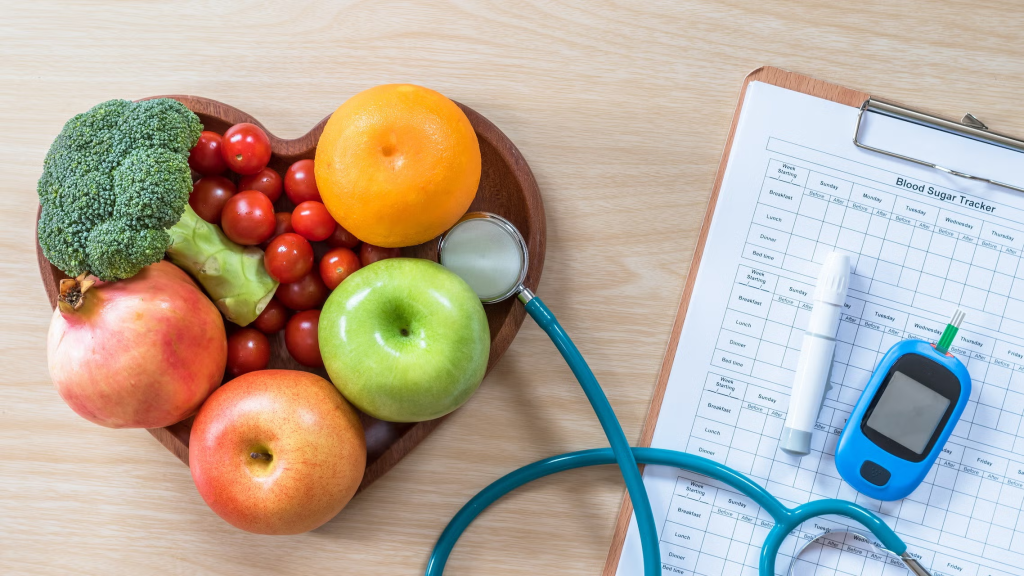
Author: admin

  • Best Ways to Manage Liver Disease Through Diet, Exercise, and Medical Care

    The liver is one of the most important organs in the human body. It performs hundreds of essential tasks, including filtering toxins, producing bile for digestion, storing nutrients, and regulating metabolism. When the liver becomes damaged due to illness, poor lifestyle habits, infections, or long-term alcohol use, it may develop Liver Disease, which can significantly affect overall health. While some liver conditions are temporary and treatable, others can become chronic if not managed properly.

    Fortunately, many people can improve their liver function and quality of life through healthy lifestyle choices, regular exercise, balanced nutrition, and proper medical treatment. Early diagnosis and consistent care can slow disease progression and reduce complications. This guide explains practical ways to support liver health and manage liver conditions effectively while maintaining an active and healthy lifestyle.

    Understanding Liver Disease and Its Causes

    Liver Disease is a broad term that includes several conditions affecting the liver’s ability to function normally. Some common forms include fatty liver disease, hepatitis, cirrhosis, alcoholic liver disease, and liver fibrosis. These conditions may develop gradually over time or appear suddenly due to infection or injury.

    Several factors increase the risk of liver problems, including obesity, diabetes, excessive alcohol consumption, viral infections, unhealthy eating habits, certain medications, and genetic disorders. In many cases, fatty liver disease develops because of poor diet and lack of physical activity. Since early stages often show no obvious symptoms, routine health checkups are important for early detection and treatment.

    Recognizing the underlying cause helps healthcare providers recommend the most effective treatment plan while preventing further liver damage.

    Signs and Symptoms You Should Never Ignore

    Many liver conditions progress silently before symptoms become noticeable. As damage increases, several warning signs may appear that require immediate medical attention.

    Common symptoms include:

    • Persistent fatigue
    • Yellowing of the skin or eyes (jaundice)
    • Pain or discomfort in the upper right abdomen
    • Swelling in the legs or abdomen
    • Dark-colored urine
    • Pale stools
    • Nausea and loss of appetite
    • Unexplained weight loss
    • Easy bruising or bleeding
    • Itchy skin

    Anyone experiencing these symptoms should seek medical evaluation promptly. Early diagnosis of Liver Disease allows treatment to begin before severe complications develop.

    Why Diet Plays a Critical Role in Liver Health

    Diet is one of the most effective tools for managing liver conditions. Since the liver processes nutrients, removes toxins, and regulates metabolism, providing the body with healthy foods reduces stress on this vital organ. A balanced diet supports liver cell repair, decreases inflammation, and helps maintain a healthy weight.

    Fresh fruits, vegetables, whole grains, legumes, lean proteins, and healthy fats provide essential vitamins and antioxidants that protect liver cells. Fiber-rich foods improve digestion and help regulate blood sugar levels, reducing fat accumulation in the liver.

    Limiting processed foods, sugary beverages, refined carbohydrates, and saturated fats is equally important. High-sodium foods should also be reduced because they may contribute to fluid retention in advanced liver disease.

    Staying well hydrated by drinking adequate water supports the body’s natural detoxification processes and helps maintain healthy organ function.

    Best Foods for Supporting Liver Function

    Choosing nutrient-rich foods every day can improve overall liver health and reduce disease progression.

    Food GroupBenefits for the Liver
    Leafy green vegetablesRich in antioxidants and vitamins
    Fresh fruitsProvide fiber and natural antioxidants
    Whole grainsSupport digestion and blood sugar control
    Fatty fishContain omega-3 fatty acids that reduce inflammation
    Beans and lentilsExcellent plant-based protein source
    Nuts and seedsProvide healthy fats and vitamin E
    Olive oilSupports heart and liver health
    Low-fat dairySupplies calcium and protein

    Including a variety of these foods creates a balanced eating pattern that supports long-term liver wellness.

    Foods and Habits to Avoid

    Certain dietary choices can worsen liver damage and should be minimized or eliminated, especially for individuals diagnosed with Liver Disease.

    Foods and habits to avoid include:

    • Alcoholic beverages
    • Sugary soft drinks
    • Fried foods
    • Highly processed snacks
    • Excessive red meat
    • Refined sugar
    • Fast food
    • Excess salt
    • Smoking
    • Self-medicating without medical advice

    Reducing these harmful habits allows the liver to recover more efficiently and lowers the risk of complications.

    Exercise Helps Protect the Liver

    Regular physical activity is another essential part of managing liver conditions. Exercise helps reduce body fat, improve insulin sensitivity, lower inflammation, and decrease fat stored inside the liver.

    Experts generally recommend at least 150 minutes of moderate exercise each week. Activities may include brisk walking, cycling, swimming, dancing, or light jogging. Strength training two to three times weekly helps preserve muscle mass, which is especially important for individuals with chronic liver conditions.

    People who are new to exercise should begin slowly and gradually increase intensity. Even daily walking can provide significant health benefits over time. Combining physical activity with healthy eating creates one of the most effective approaches for controlling Liver Disease naturally.

    Medical Care and Regular Monitoring

    While lifestyle improvements are important, medical treatment remains essential for many liver disorders. Treatment depends on the specific diagnosis and severity of liver damage.

    Healthcare providers may recommend:

    • Blood tests to monitor liver enzymes
    • Ultrasound or imaging scans
    • Medications for viral hepatitis
    • Medicines to reduce inflammation
    • Vaccinations against hepatitis viruses
    • Weight management programs
    • Regular liver function monitoring

    Patients should never stop prescribed medications without consulting their doctor. Keeping follow-up appointments allows healthcare providers to detect changes early and adjust treatment plans when necessary.

    Managing Weight and Other Health Conditions

    Maintaining a healthy body weight greatly benefits liver function. Excess body fat, particularly around the abdomen, increases the risk of fatty liver disease and insulin resistance.

    Individuals with diabetes, high cholesterol, or high blood pressure should carefully manage these conditions because they directly influence liver health. Weight loss achieved through gradual lifestyle changes is generally safer and more sustainable than crash diets.

    Healthy weight management strategies include portion control, consistent physical activity, balanced meals, proper sleep, and stress reduction. Losing even a modest amount of body weight can significantly improve liver health in many people.

    Lifestyle Changes That Support Long-Term Liver Health

    Small daily habits can make a meaningful difference in protecting the liver over time.

    Helpful lifestyle practices include:

    • Sleep seven to nine hours every night.
    • Drink enough water throughout the day.
    • Maintain a healthy body weight.
    • Avoid unnecessary medications.
    • Practice good hygiene to reduce infection risk.
    • Stay physically active.
    • Manage stress through relaxation techniques.
    • Follow medical advice consistently.
    • Receive recommended vaccinations.
    • Schedule routine health screenings.

    These healthy habits support overall wellness while reducing further liver damage.

    Preventing Liver Disease Before It Starts

    Prevention remains the best approach for protecting liver health. Many liver conditions can be avoided through healthy living and early medical care.

    Preventive measures include eating a nutritious diet, maintaining regular exercise, limiting alcohol intake, practicing safe hygiene, avoiding contaminated needles, managing chronic illnesses, and receiving hepatitis vaccinations when appropriate.

    Routine medical checkups are valuable because liver problems often develop without noticeable symptoms. Early screening allows healthcare providers to identify risk factors before permanent damage occurs.

    By making healthy choices consistently, individuals can reduce their chances of developing Liver Disease and improve long-term overall health.

    Conclusion

    Managing Liver Disease requires a combination of healthy nutrition, regular exercise, medical supervision, and positive lifestyle habits. Although liver disorders can be serious, many people successfully slow disease progression and improve their quality of life through consistent self-care and early treatment.

    A balanced diet rich in fruits, vegetables, lean proteins, whole grains, and healthy fats supports liver repair and reduces inflammation. Regular physical activity improves metabolism and helps maintain a healthy weight, while routine medical monitoring ensures timely treatment and prevention of complications.
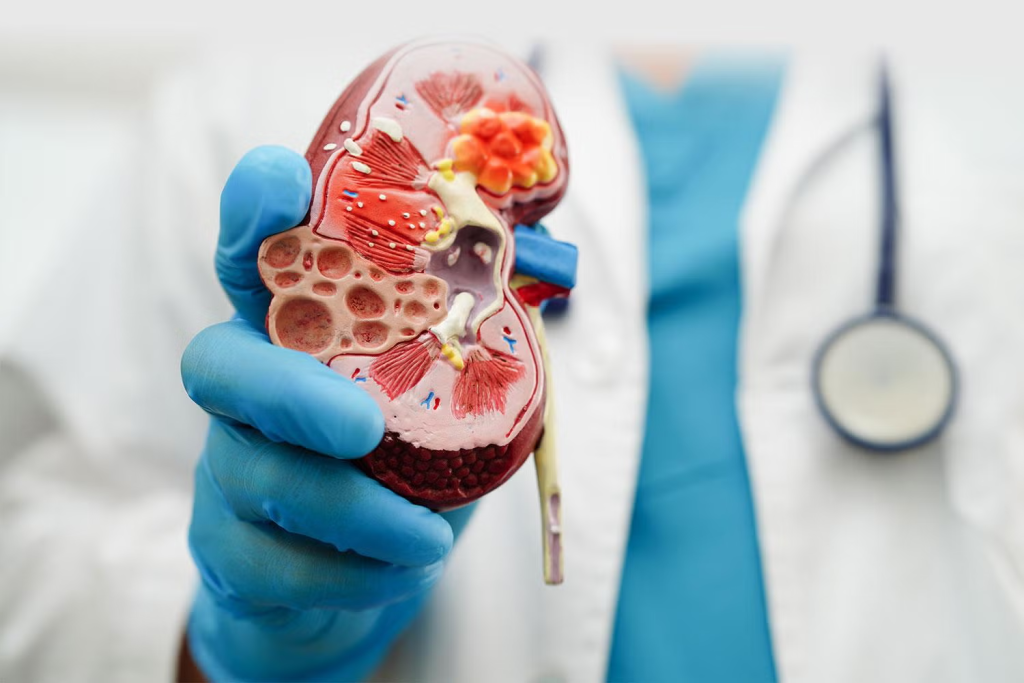

  • Expert Advice on Kidney Disease Symptoms Every Adult Should Know

    Kidneys are among the most important organs in the human body, yet many people do not pay attention to their health until serious problems develop. These bean-shaped organs work around the clock to filter waste, balance fluids, regulate blood pressure, and produce hormones that support healthy bones and red blood cell production. Unfortunately, kidney disease often develops silently, making it difficult to notice in its early stages. Recognizing Kidney Disease Symptoms as early as possible can prevent severe complications and improve treatment outcomes. Adults of every age should understand the warning signs, risk factors, and lifestyle habits that protect kidney health. This guide explains everything you need to know about kidney disease, its symptoms, causes, diagnosis, treatment, and prevention so you can make informed decisions about your health.

    What Is Kidney Disease?

    Kidney disease refers to any condition that affects the kidneys’ ability to perform their normal functions. It may develop suddenly as acute kidney injury or gradually over many years as chronic kidney disease. Chronic kidney disease is especially concerning because damage often becomes permanent if left untreated. As kidney function declines, waste products and excess fluids begin to accumulate in the body, causing a wide range of health problems.

    Many people overlook early Kidney Disease Symptoms because they resemble common health issues such as tiredness or swelling after a long day. Diabetes, high blood pressure, obesity, smoking, family history, and aging significantly increase the risk of kidney disease. Since the kidneys support nearly every system in the body, maintaining their health should be a priority for every adult.

    Why Early Detection Matters

    Early diagnosis greatly increases the chances of slowing or preventing kidney damage. The kidneys have an impressive ability to compensate for minor damage, meaning symptoms may not appear until a significant amount of kidney function has already been lost. This is why regular health checkups become increasingly important as people age.

    Ignoring Kidney Disease Symptoms may lead to complications such as high blood pressure, anemia, heart disease, weakened bones, electrolyte imbalances, and eventually kidney failure requiring dialysis or transplantation. Routine blood tests, urine analysis, and blood pressure monitoring can identify kidney problems before serious complications occur. Early intervention through medication, dietary improvements, and lifestyle changes often helps preserve kidney function for many years.

    Common Kidney Disease Symptoms Every Adult Should Know

    The warning signs of kidney disease vary depending on the stage and underlying cause. Some individuals experience only mild symptoms, while others notice several changes at once.

    Common symptoms include:

    • Persistent fatigue and weakness
    • Swelling in the feet, ankles, hands, or face
    • Frequent urination, especially at night
    • Foamy or bubbly urine
    • Blood in the urine
    • Difficulty concentrating
    • Dry and itchy skin
    • Muscle cramps
    • Nausea or vomiting
    • Loss of appetite
    • Shortness of breath
    • High blood pressure

    These Kidney Disease Symptoms should never be ignored, especially if they persist for several weeks. Early medical evaluation can help identify the cause and begin appropriate treatment before permanent kidney damage develops.

    Major Causes and Risk Factors

    Kidney disease develops due to many different medical conditions and lifestyle factors. Diabetes remains the leading cause because elevated blood sugar gradually damages the tiny blood vessels inside the kidneys. High blood pressure is another major contributor, placing excessive stress on the kidney’s filtering system over time.

    Additional risk factors include obesity, smoking, excessive alcohol consumption, frequent use of certain pain medications, autoimmune diseases, kidney infections, urinary tract blockages, inherited kidney disorders, and cardiovascular disease. Age also plays an important role since kidney function naturally declines over time. Understanding these risk factors helps adults recognize their personal level of risk and motivates them to adopt healthier habits before Kidney Disease Symptoms develop.

    How Kidney Disease Is Diagnosed

    Doctors use several tests to determine whether kidney function has declined. Diagnosis usually begins with a review of symptoms, medical history, medications, and family history. A physical examination is followed by laboratory investigations that measure kidney performance.

    Common diagnostic tests include:

    TestPurpose
    Blood Creatinine TestMeasures waste products in the blood
    eGFR TestEstimates kidney filtration rate
    Urine TestDetects protein, blood, or infection
    Blood Pressure CheckIdentifies hypertension
    Kidney UltrasoundExamines kidney size and structure
    CT or MRI ScanDetects structural abnormalities if needed

    Early diagnosis allows healthcare providers to recommend treatment plans that may significantly slow disease progression and reduce long-term complications.

    Treatment Options for Kidney Disease

    Treatment depends on the underlying cause and severity of kidney damage. The primary goal is to preserve remaining kidney function while controlling associated medical conditions. Patients with diabetes should maintain healthy blood sugar levels, while those with hypertension require careful blood pressure management.

    Doctors may prescribe medications that lower blood pressure, reduce protein loss in urine, manage cholesterol, treat anemia, or correct mineral imbalances. Nutritional counseling is often recommended to reduce sodium, phosphorus, and excessive protein intake when appropriate. In advanced stages, dialysis helps remove waste products when the kidneys can no longer function effectively. Kidney transplantation may become the best long-term option for eligible patients with end-stage kidney disease.

    Lifestyle Changes That Protect Kidney Health

    Healthy daily habits play a major role in preventing kidney disease and slowing its progression. Even individuals without existing kidney problems benefit from maintaining kidney-friendly routines throughout adulthood.

    Helpful lifestyle habits include:

    • Drink enough water throughout the day.
    • Maintain a healthy body weight.
    • Exercise regularly.
    • Control blood sugar levels.
    • Monitor blood pressure.
    • Limit salt intake.
    • Eat fresh fruits and vegetables.
    • Reduce processed food consumption.
    • Avoid smoking.
    • Limit alcohol intake.
    • Take medications only as directed.
    • Schedule routine medical checkups.

    Adopting these habits may significantly reduce the likelihood of developing Kidney Disease Symptoms while supporting overall cardiovascular and metabolic health.

    When You Should See a Doctor

    Many people delay medical care because early symptoms appear mild or temporary. However, persistent swelling, blood in urine, severe fatigue, changes in urination, or consistently high blood pressure should never be ignored. Individuals with diabetes, hypertension, or a family history of kidney disease should undergo routine kidney screening even when they feel healthy.

    Prompt evaluation allows doctors to detect kidney disease before irreversible damage occurs. Delaying treatment increases the risk of chronic kidney disease progressing to kidney failure, making lifelong dialysis or transplantation necessary. Paying attention to Kidney Disease Symptoms and seeking professional medical advice at the earliest opportunity can dramatically improve long-term health outcomes.

    Can Kidney Disease Be Prevented?

    Although not every kidney disease can be prevented, many cases are linked to controllable lifestyle factors. Maintaining healthy blood sugar, controlling blood pressure, eating a balanced diet, staying physically active, and avoiding tobacco significantly reduce the risk. Drinking sufficient water and limiting unnecessary use of over-the-counter pain medications also help protect kidney function.

    Regular preventive screenings become increasingly valuable after age forty or earlier for individuals with known risk factors. Preventive healthcare enables doctors to identify small changes in kidney function before symptoms become noticeable. Prevention is always more effective than treating advanced kidney damage.

    Conclusion

    Healthy kidneys are essential for maintaining energy, balanced body fluids, strong bones, healthy blood pressure, and overall well-being. Unfortunately, kidney disease often develops silently, allowing significant damage to occur before obvious warning signs appear. Understanding Kidney Disease Symptoms empowers adults to recognize potential problems early and seek timely medical attention. Simple lifestyle improvements, regular health screenings, proper management of diabetes and hypertension, and prompt treatment can preserve kidney function and reduce the risk of serious complications. Every adult should prioritize kidney health by adopting healthy daily habits, staying informed, and consulting a healthcare professional whenever unusual symptoms arise. Early awareness and preventive care remain the most effective strategies for protecting your kidneys and maintaining a healthier future.

  • How to Prevent High Blood Pressure Using Healthy Lifestyle Changes

    High Blood Pressure is one of the most common health conditions affecting millions of people around the world. Often called the “silent killer,” it usually develops without noticeable symptoms but can significantly increase the risk of heart disease, stroke, kidney damage, and other serious health problems. The good news is that it is often preventable through healthy lifestyle choices. Simple daily habits such as eating nutritious foods, staying physically active, managing stress, maintaining a healthy weight, and avoiding harmful substances can make a remarkable difference. Whether you have a family history of hypertension or simply want to protect your long-term health, making small but consistent lifestyle improvements can reduce your risk. This comprehensive guide explains practical, science-backed strategies to help you prevent High Blood Pressure and enjoy a healthier, more energetic life.

    Understanding High Blood Pressure

    Blood pressure measures the force of blood pushing against the walls of your arteries. It is recorded using two numbers: systolic pressure, which measures pressure during heartbeats, and diastolic pressure, which measures pressure when the heart rests between beats. Normal blood pressure is generally below 120/80 mmHg.

    When blood pressure remains consistently elevated, it puts additional strain on the heart and blood vessels. Over time, this damage can increase the risk of heart attacks, strokes, kidney disease, and vision problems. Several factors contribute to High Blood Pressure, including genetics, aging, obesity, unhealthy eating habits, physical inactivity, smoking, excessive alcohol consumption, and chronic stress.

    The encouraging fact is that many of these risk factors are under your control. By understanding what causes elevated blood pressure and taking preventive measures early, you can greatly reduce the likelihood of developing long-term cardiovascular complications.

    Why Healthy Lifestyle Changes Matter

    Medication is often necessary for people with persistent hypertension, but prevention begins with everyday habits. Healthy lifestyle choices improve blood vessel function, support heart health, reduce inflammation, and help regulate blood pressure naturally.

    Unlike temporary solutions, lifestyle improvements create lasting health benefits. They also lower the risk of diabetes, obesity, high cholesterol, and other chronic conditions that frequently occur alongside hypertension.

    Some of the most effective preventive strategies include:

    • Eating a balanced diet rich in fruits and vegetables
    • Exercising regularly
    • Reducing sodium intake
    • Maintaining a healthy body weight
    • Managing daily stress
    • Getting quality sleep
    • Avoiding tobacco products
    • Limiting alcohol consumption

    When these habits become part of your routine, preventing High Blood Pressure becomes much more achievable.

    Eat a Heart-Healthy Diet

    Your daily diet has one of the strongest influences on blood pressure. Foods rich in vitamins, minerals, fiber, and healthy fats help strengthen blood vessels and improve circulation.

    Increase your intake of colorful fruits, leafy vegetables, whole grains, beans, nuts, seeds, and lean proteins like fish and skinless poultry. Potassium-rich foods such as bananas, oranges, spinach, sweet potatoes, and avocados help balance sodium levels in the body.

    Try to limit processed foods, packaged snacks, sugary beverages, fried meals, and foods high in saturated fats. These products often contain excessive sodium and unhealthy fats that contribute to rising blood pressure.

    Preparing meals at home allows better control over ingredients while encouraging healthier eating habits. Reading nutrition labels carefully can also help reduce unnecessary sodium intake.

    Maintain a Healthy Weight

    Carrying excess body weight increases the workload on your heart and blood vessels. Even a small amount of weight loss can significantly improve blood pressure levels.

    Body fat, particularly around the abdomen, is associated with higher cardiovascular risk. Losing just 5–10% of your body weight may improve heart health and reduce your chances of developing High Blood Pressure.

    Healthy weight management involves balanced nutrition rather than crash diets. Focus on portion control, regular meals, and avoiding overeating. Combining healthy eating with consistent physical activity provides the most sustainable results.

    Monitoring your body weight regularly also helps you stay aware of gradual changes before they become major health concerns.

    Stay Physically Active Every Week

    Regular physical activity strengthens the heart, allowing it to pump blood more efficiently with less effort. This reduces pressure on artery walls and improves overall cardiovascular health.

    Health experts recommend at least 150 minutes of moderate aerobic exercise each week. Suitable activities include:

    • Brisk walking
    • Cycling
    • Swimming
    • Jogging
    • Dancing
    • Light strength training
    • Yoga

    Exercise also improves mood, supports weight loss, enhances sleep quality, and reduces stress—all of which contribute to preventing High Blood Pressure.

    If you’re new to exercise, begin with short sessions and gradually increase intensity. Consistency is far more important than extreme workouts.

    Reduce Sodium and Increase Potassium

    One of the most effective dietary strategies for preventing hypertension is reducing sodium consumption. Excess salt causes the body to retain water, increasing blood volume and blood pressure.

    Many processed foods contain hidden sodium, including canned soups, frozen meals, instant noodles, sauces, processed meats, and fast food.

    Instead, season meals with herbs, garlic, lemon juice, pepper, or natural spices.

    At the same time, potassium supports healthy blood pressure by helping the body eliminate excess sodium. Excellent potassium-rich foods include:

    • Bananas
    • Tomatoes
    • Potatoes
    • Beans
    • Yogurt
    • Spinach
    • Citrus fruits

    Balancing sodium and potassium intake supports healthier circulation and protects heart function.

    Lifestyle Habits That Help Prevent High Blood Pressure

    Healthy HabitMain Benefit
    Eat fruits and vegetablesSupports heart health
    Reduce salt intakeLowers fluid retention
    Exercise regularlyImproves circulation
    Maintain healthy weightReduces heart strain
    Sleep 7–9 hoursRegulates blood pressure
    Manage stressLowers stress hormones
    Avoid smokingProtects blood vessels
    Limit alcoholPrevents blood pressure spikes

    Manage Stress Effectively

    Stress is a normal part of life, but chronic stress may contribute to elevated blood pressure over time. Stress hormones temporarily increase heart rate and constrict blood vessels. Repeated exposure can negatively affect cardiovascular health.

    Healthy stress-management techniques include deep breathing exercises, meditation, yoga, reading, gardening, listening to music, spending time outdoors, or practicing mindfulness.

    Maintaining meaningful social relationships also helps reduce emotional stress. Talking openly with trusted friends or family members can improve emotional well-being.

    Creating a healthy work-life balance and setting realistic expectations may further reduce daily stress levels and improve overall quality of life.

    Prioritize Good Sleep

    Sleep plays a critical role in maintaining healthy blood pressure. During sleep, the body repairs tissues, regulates hormones, and allows the cardiovascular system to recover.

    Adults should aim for seven to nine hours of quality sleep each night.

    Improve sleep by:

    • Following a regular bedtime schedule
    • Limiting screen time before bed
    • Keeping the bedroom cool and quiet
    • Avoiding caffeine late in the day
    • Exercising regularly

    Poor sleep or untreated sleep disorders such as sleep apnea may increase the risk of High Blood Pressure, making healthy sleep habits an essential part of prevention.

    Avoid Smoking and Limit Alcohol

    Smoking damages artery walls almost immediately after each cigarette. It narrows blood vessels, increases heart rate, and accelerates plaque buildup inside arteries.

    Quitting smoking provides immediate and long-term cardiovascular benefits regardless of age.

    Alcohol should also be consumed in moderation. Excessive drinking raises blood pressure and contributes to weight gain, liver disease, and heart complications.

    Replacing smoking and heavy drinking with healthier coping strategies significantly lowers cardiovascular risk while improving overall wellness.

    Monitor Your Blood Pressure Regularly

    Routine blood pressure monitoring helps detect problems before complications develop. Many people live with hypertension for years without realizing it because symptoms often do not appear until damage has occurred.

    Checking blood pressure at regular health visits or using a reliable home monitor allows early identification of rising numbers.

    Keep a record of your readings and discuss unusual results with your healthcare provider. Early monitoring encourages timely lifestyle adjustments and, when necessary, appropriate medical treatment.

    Regular health checkups also allow doctors to identify related risk factors such as high cholesterol, diabetes, and kidney disease.

    Conclusion

    Preventing High Blood Pressure is largely within your control through consistent healthy lifestyle choices. Eating a balanced diet, exercising regularly, maintaining a healthy weight, reducing sodium, increasing potassium, managing stress, getting enough sleep, avoiding tobacco, limiting alcohol, and monitoring blood pressure all work together to support long-term heart health.

  • Complete Guide to Diabetes Treatment with Natural Remedies and Diet Tips

    Diabetes is one of the fastest-growing chronic health conditions worldwide. It affects how the body processes blood sugar, making proper management essential for maintaining overall health. While medications play an important role, many people also benefit from natural remedies, healthy eating habits, regular exercise, and stress management. A balanced lifestyle can improve blood sugar control and reduce the risk of long-term complications.

    This comprehensive guide explores Diabetes Treatment using a combination of medical care, natural remedies, and practical diet tips. Whether you have recently been diagnosed or are looking for better ways to manage your condition, understanding the right strategies can help you lead a healthier and more active life.

    Understanding Diabetes and Its Causes

    Diabetes develops when the body cannot produce enough insulin or cannot effectively use the insulin it produces. Insulin is a hormone responsible for moving glucose from the bloodstream into the body’s cells for energy. When this process is disrupted, blood sugar levels remain elevated.

    There are several types of diabetes, including Type 1, Type 2, and gestational diabetes. Type 2 diabetes is the most common and is often linked to obesity, poor diet, lack of physical activity, genetics, and aging. Early symptoms may include excessive thirst, frequent urination, constant hunger, blurred vision, fatigue, and slow wound healing.

    Early diagnosis is important because uncontrolled diabetes can damage the heart, kidneys, nerves, eyes, and blood vessels. A combination of medical advice, healthy habits, and effective Diabetes Treatment can significantly improve quality of life and reduce complications.

    Why Early Diabetes Treatment Matters

    Managing diabetes from the beginning helps prevent serious health problems. Consistently high blood sugar can silently damage important organs over time, even before noticeable symptoms appear. Early treatment helps stabilize glucose levels, maintain healthy body weight, and improve energy levels.

    Following a personalized healthcare plan also lowers the risk of heart disease, stroke, kidney disease, and nerve damage. Regular health checkups, blood sugar monitoring, and healthy lifestyle choices allow individuals to detect changes early and make necessary adjustments.

    The goal of Diabetes Treatment is not only to reduce blood sugar but also to support overall physical and mental well-being. Combining medication, balanced nutrition, exercise, and natural approaches creates a comprehensive management plan that works more effectively than relying on a single method.

    Natural Remedies That May Support Diabetes Management

    Natural remedies should always complement medical advice rather than replace prescribed treatment. Several natural options may help improve blood sugar control when combined with a healthy lifestyle.

    Some commonly used natural remedies include:

    • Cinnamon may improve insulin sensitivity in some individuals.
    • Fenugreek seeds contain soluble fiber that supports blood sugar regulation.
    • Bitter melon has compounds that may mimic insulin activity.
    • Aloe vera may help improve fasting blood sugar in certain people.
    • Turmeric contains curcumin, which has anti-inflammatory properties.
    • Apple cider vinegar may reduce blood sugar spikes after meals.
    • Flaxseeds provide fiber and healthy fats that support glucose control.

    Although these remedies may provide benefits, scientific evidence varies. Individuals should consult healthcare professionals before adding supplements or herbal products to their routine. Natural remedies work best when included as part of an overall Diabetes Treatment plan that also includes proper nutrition and regular physical activity.

    Healthy Diet Tips for Better Blood Sugar Control

    Diet plays one of the most important roles in diabetes management. Choosing nutrient-rich foods helps maintain steady blood sugar levels while providing the body with essential vitamins and minerals.

    A balanced diabetic meal should include whole grains, lean proteins, vegetables, healthy fats, and high-fiber foods. Fiber slows glucose absorption, reducing sudden blood sugar spikes after meals. Fresh fruits can be enjoyed in moderation, while sugary beverages, refined carbohydrates, and processed snacks should be limited.

    Eating smaller meals throughout the day may help prevent large fluctuations in blood sugar. Drinking enough water also supports overall metabolism and hydration.

    Portion control is equally important. Even healthy foods can raise blood sugar when consumed in excessive amounts. Including healthy fats from nuts, seeds, and olive oil helps increase satiety while supporting heart health. Following these dietary practices strengthens any Diabetes Treatment program and promotes long-term health.

    Foods to Eat and Foods to Limit

    The right food choices make diabetes management easier. Here is a simple comparison.

    Recommended FoodsFoods to Limit
    Whole grainsSugary drinks
    Leafy vegetablesWhite bread
    Lentils and beansCandy and sweets
    Fresh fruits in moderationCakes and pastries
    Lean chicken and fishProcessed meats
    Low-fat dairyFried foods
    Nuts and seedsPackaged snacks
    Olive oilExcessive alcohol

    Making healthier food choices consistently is more beneficial than following restrictive diets for short periods.

    The Importance of Regular Physical Activity

    Exercise improves insulin sensitivity and allows muscles to use glucose more efficiently. Even moderate physical activity can significantly improve blood sugar control and support weight management.

    Experts generally recommend at least 150 minutes of moderate exercise each week. Walking, cycling, swimming, dancing, yoga, and strength training are all excellent options. Physical activity also supports cardiovascular health, lowers stress, improves sleep quality, and boosts overall energy levels.

    Individuals beginning a new exercise routine should consult their healthcare provider, especially if they have complications such as heart disease or nerve damage. Monitoring blood sugar before and after exercise helps prevent unexpected fluctuations.

    When combined with healthy eating habits, regular physical activity becomes an essential part of successful Diabetes Treatment and supports long-term disease management.

    Managing Stress and Getting Quality Sleep

    Stress and poor sleep can negatively affect blood sugar levels. During periods of stress, the body releases hormones that increase glucose production, making diabetes harder to control.

    Practicing relaxation techniques such as meditation, deep breathing, mindfulness, or gentle yoga may help reduce stress levels. Spending time outdoors, engaging in hobbies, and maintaining social connections also contribute to emotional well-being.

    Adults should aim for seven to nine hours of quality sleep each night. Establishing a consistent bedtime routine, limiting screen time before sleep, and creating a comfortable sleeping environment can improve sleep quality.

    Proper stress management and adequate rest enhance the effectiveness of Diabetes Treatment, allowing the body to respond more efficiently to insulin and maintain healthier blood sugar levels.

    Monitoring Blood Sugar and Regular Medical Checkups

    Routine monitoring provides valuable information about how food, exercise, medications, and daily activities affect blood sugar levels. Keeping a record of glucose readings helps healthcare providers adjust treatment plans when necessary.

    Regular medical appointments are equally important. Doctors may recommend blood tests, eye examinations, kidney function assessments, foot examinations, blood pressure monitoring, and cholesterol testing to detect early complications.

    Patients should never stop prescribed medications without medical guidance, even if blood sugar improves through lifestyle changes. Medication adjustments should always be supervised by qualified healthcare professionals.

    A proactive approach to monitoring ensures that Diabetes Treatment remains effective while reducing the likelihood of serious health complications.

    Lifestyle Habits That Support Long-Term Diabetes Control

    Small daily habits often produce significant long-term benefits. Building healthy routines creates sustainable improvements in blood sugar management.

    Helpful habits include:

    • Eat meals at consistent times.
    • Stay physically active every day.
    • Drink plenty of water.
    • Avoid smoking.
    • Limit alcohol consumption.
    • Maintain a healthy body weight.
    • Monitor blood sugar regularly.
    • Take medications exactly as prescribed.
    • Schedule routine health checkups.
    • Learn to recognize signs of low and high blood sugar.

    These habits become easier over time and greatly improve overall health while supporting successful diabetes management.

    Common Mistakes to Avoid

    Many people unknowingly make mistakes that interfere with blood sugar control. Skipping meals, eating large portions, relying on processed foods, avoiding physical activity, ignoring stress, or forgetting medications can all negatively impact diabetes management.

    Another common mistake is assuming natural remedies alone can replace prescribed medications. While herbal approaches may provide additional support, they should never replace professional medical care.

    Regular education about diabetes empowers individuals to make informed decisions and maintain healthier daily routines. Staying consistent with lifestyle habits and following medical advice greatly improves treatment outcomes.

    Conclusion

    Managing diabetes successfully requires a balanced approach that combines medical care, healthy nutrition, regular exercise, stress management, and consistent monitoring. Although there is currently no permanent cure for most forms of diabetes, proper management allows many individuals to live active, healthy, and fulfilling lives.

    Natural remedies may provide additional support when used responsibly alongside professional medical guidance. Choosing nutritious foods, staying physically active, maintaining a healthy weight, getting enough sleep, and attending regular health checkups all contribute to better blood sugar control.

  • 10 Warning Signs You Should Never Ignore Heart Disease Symptoms Before It’s Too Late

    Heart health plays a vital role in overall well-being, yet many people fail to recognize early warning signs until a serious medical emergency occurs. Heart disease remains one of the leading causes of death worldwide, affecting millions of people regardless of age or gender. The good news is that recognizing Heart Disease Symptoms early can significantly improve treatment outcomes and even save lives. While some symptoms appear suddenly, many develop gradually and are often mistaken for stress, aging, or minor illnesses. Understanding these warning signals allows you to seek medical attention before permanent damage occurs. This guide explains the most common warning signs, risk factors, prevention strategies, and when immediate medical care is necessary. Whether you have a family history of heart disease or simply want to protect your health, learning these signs can help you make informed decisions and reduce the risk of severe complications.

    Why Recognizing Heart Disease Symptoms Early Matters

    The heart continuously pumps oxygen-rich blood throughout the body. When blood flow becomes restricted because of blocked arteries, damaged heart muscles, or irregular heart rhythms, the body begins showing warning signals. Unfortunately, many individuals ignore these early indicators because they seem harmless or temporary. Early detection makes treatment more effective and reduces the chances of heart attacks, strokes, and long-term complications.

    Recognizing Heart Disease Symptoms at an early stage allows doctors to diagnose underlying conditions before they become life-threatening. Lifestyle changes, medications, and regular medical monitoring can often slow or prevent disease progression. Ignoring symptoms, however, may result in emergency hospitalization or irreversible heart damage. People with diabetes, high blood pressure, obesity, smoking habits, or high cholesterol should be especially aware of these warning signs. Even individuals without obvious risk factors can develop heart disease, making awareness essential for everyone.

    10 Warning Signs You Should Never Ignore

    1. Persistent Chest Pain or Pressure

    Chest discomfort is the most recognized symptom of heart disease. It may feel like pressure, squeezing, heaviness, burning, or tightness in the center or left side of the chest. Some people experience mild discomfort while others feel intense pain lasting several minutes. Chest pain may come and go or worsen during physical activity.

    Although not every chest pain indicates heart disease, recurring discomfort should never be ignored because it could signal reduced blood flow to the heart.

    2. Shortness of Breath

    Difficulty breathing during normal activities or while resting may indicate that the heart cannot pump blood efficiently. Fluid can accumulate in the lungs, making breathing increasingly difficult. Many people notice breathlessness while climbing stairs, walking short distances, or lying flat in bed.

    Persistent shortness of breath combined with Heart Disease Symptoms requires prompt medical evaluation.

    3. Pain Spreading to Other Areas

    Heart-related pain doesn’t always remain in the chest. It often spreads to:

    • Left arm
    • Right arm
    • Neck
    • Jaw
    • Shoulder
    • Upper back

    Some individuals experience only arm or jaw pain without noticeable chest discomfort, making diagnosis more challenging.

    4. Unusual Fatigue

    Extreme tiredness without a clear reason may indicate reduced blood circulation caused by heart disease. Many patients report feeling exhausted even after adequate sleep or simple daily activities.

    Women, in particular, frequently experience unusual fatigue weeks before a heart attack.

    5. Irregular Heartbeat

    Occasional skipped heartbeats are common, but persistent fluttering, racing, or pounding sensations may indicate an abnormal heart rhythm. Palpitations accompanied by dizziness, chest pain, or fainting require immediate medical assessment.

    6. Dizziness or Fainting

    A sudden drop in blood flow to the brain may cause dizziness, lightheadedness, or loss of consciousness. These symptoms could result from abnormal heart rhythms or reduced heart function and should never be ignored.

    7. Swelling in Legs, Feet, or Ankles

    When the heart struggles to pump blood effectively, fluid can build up in the lower body. Swollen feet, ankles, or legs often indicate heart failure or poor circulation.

    Watch for swelling that gradually worsens or appears with breathing difficulties.

    8. Persistent Nausea or Indigestion

    Heart-related discomfort is sometimes mistaken for digestive problems. Nausea, vomiting, stomach discomfort, or unexplained indigestion may actually signal heart problems, particularly in women and older adults.

    9. Cold Sweats

    Breaking into a cold sweat without physical exertion may indicate reduced blood flow to the heart. If accompanied by chest discomfort or shortness of breath, seek emergency medical attention immediately.

    10. Persistent Cough

    A long-lasting cough producing white or pink mucus may indicate fluid buildup in the lungs due to heart failure. Although coughing often has harmless causes, persistent symptoms combined with other warning signs deserve medical evaluation.

    Common Risk Factors for Heart Disease

    Several factors increase the likelihood of developing heart disease. While some cannot be controlled, many are preventable through healthy lifestyle choices.

    Risk FactorImpact on Heart Health
    High Blood PressureDamages arteries over time
    High CholesterolCauses plaque buildup
    SmokingReduces oxygen and damages blood vessels
    DiabetesIncreases artery damage
    ObesityPlaces extra strain on the heart
    Physical InactivityWeakens cardiovascular health
    Poor DietRaises cholesterol and blood pressure
    Family HistoryIncreases inherited risk
    Chronic StressMay contribute to high blood pressure

    Understanding these risks helps individuals take preventive measures before serious complications develop.

    How Heart Disease Is Diagnosed

    Doctors use several methods to identify heart conditions after evaluating symptoms and medical history. Early diagnosis improves treatment success and reduces long-term complications.

    Common diagnostic tests include:

    • Electrocardiogram (ECG)
    • Echocardiogram
    • Stress testing
    • Blood tests
    • Chest X-ray
    • Coronary angiography
    • CT or MRI heart scans

    These tests help determine the cause of symptoms and guide appropriate treatment.

    Lifestyle Changes That Protect Your Heart

    Many cases of heart disease can be prevented through consistent healthy habits. Small daily improvements often produce significant long-term benefits.

    Healthy habits include:

    • Eat more fruits and vegetables.
    • Choose whole grains.
    • Limit processed foods.
    • Reduce salt intake.
    • Exercise at least 150 minutes weekly.
    • Maintain a healthy body weight.
    • Avoid smoking and tobacco products.
    • Limit alcohol consumption.
    • Get enough quality sleep.
    • Manage stress through relaxation techniques.
    • Attend regular medical checkups.

    Following these habits reduces the risk of developing severe Heart Disease Symptoms and supports overall cardiovascular health.

    When You Should Seek Emergency Medical Care

    Some warning signs require immediate emergency treatment. Delaying medical attention during a heart attack greatly increases the risk of permanent heart damage or death.

    Call emergency services immediately if you experience:

    • Severe chest pain lasting more than a few minutes
    • Chest pain spreading to the arm, jaw, or back
    • Sudden shortness of breath
    • Fainting
    • Cold sweats with chest discomfort
    • Severe dizziness
    • Difficulty speaking or sudden weakness

    Prompt treatment can restore blood flow and significantly improve survival rates.

    How Heart Disease Affects Different People

    Although heart disease affects both men and women, symptoms may differ. Men often experience classic chest pain, while women may develop fatigue, nausea, jaw pain, back pain, or shortness of breath without severe chest discomfort. Older adults and individuals with diabetes may also experience subtle symptoms that are easy to overlook. This difference highlights the importance of paying attention to any unusual physical changes rather than waiting for severe pain. Recognizing Heart Disease Symptoms in their earliest stages allows healthcare providers to begin treatment before major complications occur. Regardless of age or gender, everyone should understand that heart disease does not always present in the same way, making awareness an essential part of preventive healthcare.

    Simple Daily Habits for Better Heart Health

    Maintaining heart health is not about making one dramatic change but rather developing consistent daily routines. Start by eating balanced meals that include vegetables, lean proteins, healthy fats, and fiber-rich foods. Stay physically active by walking, cycling, swimming, or participating in other enjoyable exercises. Drink enough water throughout the day and avoid excessive sugar and highly processed foods. Monitor your blood pressure and cholesterol regularly, especially if you have a family history of cardiovascular disease. Adequate sleep and stress management also contribute to a healthier heart. By consistently following these healthy habits, many people can reduce the likelihood of developing Heart Disease Symptoms and enjoy improved energy, better circulation, and enhanced quality of life for years to come.

    Conclusion

    Heart disease often develops silently, making early awareness one of the most powerful tools for protecting your health. Learning to recognize Heart Disease Symptoms can help prevent serious complications such as heart attacks, heart failure, and stroke. Warning signs like chest pain, shortness of breath, fatigue, dizziness, irregular heartbeat, swelling, and persistent coughing should never be dismissed as minor problems. Early diagnosis, regular health screenings, and healthy lifestyle habits greatly improve the chances of successful treatment. Maintaining a balanced diet, staying physically active, avoiding tobacco, controlling blood pressure, and managing stress all contribute to long-term heart health. If you or someone you know experiences concerning symptoms, seeking prompt medical attention can make the difference between early treatment and a life-threatening emergency. Taking proactive steps today is one of the best investments you can make for a healthier and longer future.

  • Ultimate Wellness Guide Featuring Immune System Booster Foods for Better Health

    Good health begins with strong daily habits, and one of the most effective ways to support your body is through proper nutrition. A balanced diet filled with vitamins, minerals, antioxidants, and healthy fats helps your immune system function efficiently. Choosing the right Immune System Booster Foods can reduce the risk of illness, improve energy levels, and promote long-term wellness. While no single food can prevent every disease, combining nutritious ingredients with exercise, quality sleep, hydration, and stress management creates a powerful foundation for better health. Modern lifestyles often include processed foods and unhealthy eating habits that weaken the body’s natural defenses. Fortunately, replacing those choices with wholesome fruits, vegetables, whole grains, lean proteins, and healthy fats can make a noticeable difference. This guide explores the best foods for immunity, explains why they work, and provides practical tips to include them in your everyday meals for a healthier and more active life.

    Why Nutrition Matters for a Strong Immune System

    Your immune system is a complex network of cells, tissues, and organs that work together to protect your body from harmful bacteria, viruses, and other pathogens. Every day, your body depends on essential nutrients such as vitamin C, vitamin D, zinc, selenium, protein, and antioxidants to build and maintain immune cells. Without proper nutrition, your body’s defense system becomes less effective, increasing the likelihood of infections and slower recovery.

    Adding Immune System Booster Foods to your daily meals provides these nutrients naturally. Fresh fruits and vegetables supply antioxidants that fight free radicals, while lean proteins help produce antibodies. Healthy fats support cell function, and whole grains provide lasting energy. Along with regular physical activity and adequate sleep, eating nutrient-rich foods consistently helps your immune system perform at its best. Instead of relying on supplements alone, a balanced diet offers a sustainable and enjoyable way to improve overall health while supporting immunity every day.

    Best Immune System Booster Foods to Eat Daily

    Many natural foods contain powerful nutrients that strengthen your body’s defenses. Including a variety of these foods ensures you receive a broad spectrum of vitamins and minerals.

    Some excellent choices include:

    • Citrus fruits such as oranges, lemons, and grapefruits
    • Garlic for its natural antimicrobial properties
    • Ginger to reduce inflammation
    • Spinach packed with vitamins A and C
    • Yogurt containing beneficial probiotics
    • Almonds rich in vitamin E
    • Turmeric with natural antioxidants
    • Green tea filled with protective plant compounds
    • Berries containing immune-supporting antioxidants
    • Sweet potatoes rich in beta-carotene

    These Immune System Booster Foods work best when consumed regularly as part of a balanced eating plan. Variety is important because different foods contribute different nutrients. Fresh, minimally processed ingredients generally provide greater nutritional value than highly processed alternatives.

    Essential Nutrients That Support Immunity

    Understanding which nutrients strengthen immunity helps you make smarter food choices. Each nutrient plays a unique role in protecting the body and supporting healthy immune function.

    NutrientMain BenefitCommon Food Sources
    Vitamin CSupports white blood cellsOranges, kiwi, strawberries
    Vitamin DRegulates immune responsesEggs, fortified milk, fish
    ZincHelps immune cell productionPumpkin seeds, beans, meat
    Vitamin EProtects cells from damageAlmonds, sunflower seeds
    ProteinBuilds antibodiesChicken, fish, lentils
    SeleniumSupports immune defenseBrazil nuts, seafood
    ProbioticsImprove gut healthYogurt, kefir
    Omega-3 FatsReduce inflammationSalmon, walnuts

    Combining these nutrients through whole foods ensures better absorption and balanced nutrition. Instead of focusing on a single vitamin, aim to eat colorful meals containing a variety of natural ingredients every day.

    How Gut Health Influences Immunity

    Many people are surprised to learn that a large portion of the immune system is connected to the digestive tract. A healthy gut contains beneficial bacteria that help regulate immune responses and protect against harmful microorganisms. Poor eating habits, excessive sugar intake, and frequent consumption of processed foods may disturb this balance.

    Including probiotic-rich yogurt, fermented foods, fiber-rich vegetables, fruits, and whole grains supports healthy gut bacteria. These foods encourage the growth of beneficial microbes that improve digestion and strengthen immune function. Drinking enough water also helps maintain proper digestive health.

    Adding Immune System Booster Foods that support gut health creates long-lasting benefits beyond immunity. Better digestion often leads to improved nutrient absorption, higher energy levels, and reduced inflammation throughout the body. Healthy eating truly starts from within, making gut health an essential part of overall wellness.

    Healthy Lifestyle Habits That Enhance Immune Function

    Nutrition alone cannot guarantee strong immunity. Healthy lifestyle habits work together with proper eating to maximize your body’s natural defenses.

    Consider following these daily habits:

    • Sleep seven to nine hours every night.
    • Exercise moderately for at least 30 minutes most days.
    • Drink plenty of water throughout the day.
    • Reduce stress through meditation or deep breathing.
    • Limit processed foods and sugary beverages.
    • Avoid smoking and excessive alcohol consumption.
    • Maintain a healthy body weight.

    Pairing these habits with Immune System Booster Foods creates a comprehensive wellness routine. Consistency matters more than perfection. Small improvements practiced every day often produce better long-term health outcomes than short-term extreme diets or exercise plans.

    Simple Meal Ideas Using Immune System Booster Foods

    Healthy meals do not need to be complicated or expensive. Simple recipes prepared with fresh ingredients can provide excellent nutrition while fitting into busy schedules.

    Start your morning with yogurt topped with berries, almonds, and oats. Enjoy a spinach salad with grilled chicken, avocado, citrus slices, and pumpkin seeds for lunch. Dinner can include baked salmon, roasted sweet potatoes, and steamed broccoli. Healthy snacks such as oranges, mixed nuts, carrots, or green tea help maintain nutrient intake throughout the day.

    Preparing meals at home allows better control over ingredients and portion sizes. Cooking with garlic, ginger, turmeric, and fresh herbs also adds flavor while increasing nutritional value. Including Immune System Booster Foods across breakfast, lunch, dinner, and snacks ensures consistent support for your body’s immune system.

    Common Mistakes That Can Weaken Immunity

    Many everyday habits may reduce your body’s ability to fight infections even if you occasionally eat healthy foods. Recognizing these mistakes can help you maintain stronger overall wellness.

    Some common issues include:

    • Skipping meals regularly
    • Eating excessive processed foods
    • Consuming too much sugar
    • Drinking insufficient water
    • Sleeping too little
    • Living with constant unmanaged stress
    • Avoiding physical activity
    • Depending entirely on supplements

    A balanced approach is far more effective than searching for miracle foods or quick fixes. Your immune system benefits most from steady, healthy choices maintained over months and years rather than temporary changes.

    Long-Term Benefits of Eating Nutritious Foods

    Building healthy eating habits offers advantages that extend beyond preventing common illnesses. People who regularly consume Immune System Booster Foods often experience improved energy, healthier skin, better digestion, stronger bones, enhanced concentration, and improved heart health. Many nutrient-rich foods also reduce inflammation, support healthy aging, and help maintain a healthy body weight.

    Long-term wellness depends on consistency. Every healthy meal contributes to better overall nutrition, and those small daily choices accumulate over time. Rather than viewing healthy eating as a restrictive diet, consider it an investment in your future health. Preparing meals at home, choosing fresh ingredients, and enjoying balanced portions make healthy living both practical and enjoyable for individuals and families alike.

    Conclusion

    Strong immunity begins with smart everyday choices rather than quick solutions. A nutritious diet, regular exercise, sufficient sleep, stress management, and proper hydration all contribute to a healthier body. Incorporating Immune System Booster Foods into your daily meals provides essential vitamins, minerals, antioxidants, healthy fats, and proteins that help your immune system function effectively.

  • Daily Nutrition Secrets with Healthy Eating Habits for Every Age

    Good nutrition is the foundation of a healthy and active life. Regardless of age, the foods we eat directly affect our physical health, mental well-being, energy levels, and immunity. Developing Healthy Eating Habits early in life and maintaining them through adulthood can help prevent chronic diseases, improve productivity, and support overall wellness. From children who need nutrients for growth to older adults who require foods that strengthen bones and support heart health, nutrition needs change throughout different stages of life.

    Many people believe healthy eating is expensive or difficult, but it is actually about making balanced choices every day. Eating fresh fruits, vegetables, whole grains, lean proteins, and healthy fats while limiting processed foods can significantly improve health. The key is consistency rather than perfection. Small daily improvements often lead to lasting results. This guide explores practical nutrition secrets suitable for every age group, helping you build a balanced lifestyle without following complicated diets.

    Why Healthy Nutrition Matters Throughout Life

    Nutrition is essential because every organ in the body depends on vitamins, minerals, proteins, carbohydrates, and healthy fats to function properly. Poor eating habits may increase the risk of obesity, diabetes, heart disease, digestive issues, and weakened immunity. On the other hand, balanced meals help maintain a healthy weight, improve concentration, enhance mood, and provide sustained energy.

    Adopting Healthy Eating Habits does more than improve physical health. It also supports emotional well-being by stabilizing blood sugar levels and reducing fatigue. Proper nutrition improves sleep quality, increases mental focus, and strengthens the body’s natural defense system. Every meal provides an opportunity to nourish the body, making healthy choices one of the simplest ways to invest in long-term health. Even small adjustments like drinking more water or adding vegetables to meals can make a noticeable difference over time.

    Essential Nutrients Your Body Needs Every Day

    Every balanced diet should contain a variety of nutrients that perform different roles in the body. Understanding these nutrients helps people make informed food choices instead of relying on restrictive diets.

    Important Daily Nutrients

    • Carbohydrates for energy
    • Protein for muscle growth and repair
    • Healthy fats for brain and heart health
    • Vitamins for immunity and metabolism
    • Minerals for bone strength and nerve function
    • Fiber for healthy digestion
    • Water for hydration and body temperature regulation

    Instead of eliminating entire food groups, focus on consuming them in appropriate portions. Whole foods provide a combination of nutrients that work together better than supplements in most situations.

    Healthy Eating Habits for Children

    Children require nutrient-rich foods to support rapid growth, learning, and physical development. Their meals should include colorful fruits, vegetables, dairy products, whole grains, lean proteins, and healthy snacks. Parents play a significant role in shaping lifelong food preferences by introducing nutritious meals early.

    Encouraging children to participate in meal preparation can increase their interest in healthy foods. Limiting sugary drinks, packaged snacks, and excessive fast food also helps establish Healthy Eating Habits that continue into adulthood. Breakfast should never be skipped because it improves concentration and academic performance. Healthy snacks such as yogurt, nuts, fruits, or homemade sandwiches provide sustained energy throughout the day while reducing cravings for unhealthy alternatives.

    Nutrition Tips for Teenagers

    Teenagers experience rapid physical growth and hormonal changes, increasing their nutritional requirements. Many adolescents develop unhealthy eating patterns due to busy schedules, social influences, or excessive consumption of processed foods. Balanced meals become particularly important during this stage.

    Protein-rich foods help support muscle development, while calcium and vitamin D strengthen growing bones. Iron-rich foods are especially important for teenage girls. Fresh fruits, vegetables, nuts, seeds, and whole grains should replace sugary snacks whenever possible. Staying hydrated and avoiding excessive soft drinks also contributes to better health. Learning Healthy Eating Habits during adolescence creates a strong nutritional foundation for adulthood and reduces the risk of future health problems.

    Healthy Eating for Adults

    Adults often face busy work schedules that make unhealthy food choices convenient. Skipping meals, relying on fast food, or consuming too much caffeine can negatively affect energy levels and metabolism. Planning meals in advance helps maintain balanced nutrition even on hectic days.

    A healthy adult diet should include vegetables, fruits, lean meats, legumes, whole grains, dairy products, and healthy fats. Portion control also plays a major role in maintaining a healthy weight. Regular physical activity combined with Healthy Eating Habits improves cardiovascular health, supports mental wellness, and reduces the likelihood of chronic diseases. Preparing meals at home more often allows better control over ingredients, sodium, sugar, and unhealthy fats.

    Nutrition for Older Adults

    As people age, metabolism slows and nutritional needs change. Older adults require fewer calories but greater amounts of certain nutrients such as calcium, vitamin D, vitamin B12, and fiber. Proper hydration also becomes increasingly important because the sensation of thirst often decreases with age.

    Soft, nutrient-dense foods like soups, cooked vegetables, yogurt, eggs, fish, and whole grains are excellent options for seniors. Maintaining Healthy Eating Habits helps preserve muscle mass, strengthen bones, support brain function, and reduce the risk of chronic illnesses. Regular meals combined with gentle physical activity promote independence and improve quality of life in later years.

    Daily Nutrition Guide by Age Group

    Age GroupNutritional FocusRecommended Foods
    ChildrenGrowth and developmentMilk, eggs, fruits, vegetables
    TeenagersBone and muscle growthWhole grains, lean protein, dairy
    AdultsEnergy and disease preventionVegetables, legumes, fish, healthy fats
    Older AdultsBone strength and immunityYogurt, fish, leafy greens, whole grains

    This table highlights how nutritional priorities evolve throughout life while emphasizing the importance of balanced meals at every stage.

    Simple Daily Habits That Improve Nutrition

    Healthy living does not require complicated diets. Instead, simple routines consistently practiced can have lasting health benefits.

    Daily Nutrition Tips

    • Eat breakfast every morning.
    • Fill half your plate with vegetables.
    • Choose whole grains over refined grains.
    • Drink enough water throughout the day.
    • Include protein with every meal.
    • Limit sugary beverages.
    • Reduce processed and fried foods.
    • Eat fruits instead of sugary desserts.
    • Practice portion control.
    • Plan meals ahead to avoid unhealthy choices.

    These practical habits are easy to follow and support overall wellness regardless of age.

    Common Nutrition Mistakes to Avoid

    Many people unintentionally develop eating habits that reduce the quality of their diet. Skipping breakfast may cause overeating later in the day. Drinking too many sugary beverages adds unnecessary calories without providing nutrition. Eating quickly often leads to consuming more food than needed because the brain requires time to recognize fullness.

    Another common mistake is relying heavily on processed foods that are high in sodium, unhealthy fats, and added sugars. Ignoring hydration is equally harmful since even mild dehydration affects concentration, mood, and physical performance. Following Healthy Eating Habits consistently instead of chasing short-term diet trends provides better long-term results. Avoiding extreme diets also ensures the body continues receiving essential nutrients required for daily functioning.

    Building Healthy Eating Habits That Last

    Creating sustainable eating routines requires patience rather than drastic changes. Start by replacing one unhealthy habit at a time. Swap sugary drinks for water, include vegetables in every meal, and choose healthier snacks between meals. Small improvements become easier to maintain than complete lifestyle overhauls.

    Meal planning, grocery shopping with a list, preparing home-cooked meals, and practicing mindful eating all contribute to long-term success. Families who eat together often develop healthier food choices because meals become more balanced and portion sizes remain appropriate. Remember that occasional treats are perfectly acceptable when they are part of an overall balanced lifestyle.

    Developing Healthy Eating Habits is not about restriction but about making nutritious choices most of the time. Consistency remains the most powerful factor in achieving lifelong health.

    Conclusion

    Good nutrition supports every stage of life, from childhood growth to healthy aging. Choosing balanced meals filled with fruits, vegetables, whole grains, lean proteins, healthy fats, and adequate hydration helps improve physical health, mental clarity, and overall quality of life. Every age group has unique nutritional requirements, but the basic principles of balanced eating remain the same.

  • Simple Ways to Improve Your Health Using Mental Health Tips at Home

    Simple Ways to Improve Your Health Using Mental Health Tips at Home

    Mental health is just as important as physical health, yet many people focus only on exercise and diet while ignoring emotional well-being. Daily stress, work pressure, financial concerns, and family responsibilities can affect your mood and overall quality of life. The good news is that you don’t need expensive therapy sessions or complicated routines to improve your emotional health. Small lifestyle changes practiced consistently can make a noticeable difference. By following simple Mental Health Tips, you can create a calmer mind, reduce anxiety, improve concentration, and enjoy a happier life. Home is often the best place to begin building healthy habits because it provides comfort, privacy, and familiarity. Whether you are a student, working professional, parent, or retiree, these practical techniques can easily fit into your daily routine. This guide explores effective ways to improve your mental wellness naturally while creating habits that support long-term emotional balance.

    Why Mental Health Matters Every Day

    Mental health influences how you think, feel, and respond to everyday situations. It affects relationships, work performance, sleep quality, physical health, and decision-making. When your mind is healthy, you are better equipped to handle life’s challenges without becoming overwhelmed. On the other hand, poor mental health may lead to stress, irritability, low motivation, and difficulty concentrating.

    Many people assume that mental health only becomes important when someone develops anxiety or depression. In reality, everyone benefits from taking care of their emotional well-being. Practicing Mental Health Tips regularly can help prevent emotional exhaustion before it becomes a serious problem. Even small improvements in your daily habits can boost confidence, improve emotional resilience, and help you maintain a positive outlook. Just as brushing your teeth protects dental health, caring for your mind should become part of your everyday routine.

    Simple Daily Habits That Support Mental Wellness

    Building healthy habits doesn’t require dramatic lifestyle changes. Small actions performed consistently often have the greatest impact over time. Your daily routine plays a significant role in shaping your emotional health.

    Consider including these habits:

    • Wake up at the same time every day.
    • Drink enough water throughout the day.
    • Spend at least 20–30 minutes exercising.
    • Practice gratitude every morning.
    • Read a book instead of scrolling before bed.
    • Keep your living space clean and organized.
    • Spend quality time with family members.
    • Limit negative news consumption.

    These practical Mental Health Tips help create structure, reduce stress, and improve emotional stability. When repeated daily, they gradually become automatic habits that support long-term happiness.

    The Importance of Quality Sleep for Mental Health

    Sleep and mental health are closely connected. Lack of sleep can increase stress, reduce concentration, and negatively affect emotional balance. Adults generally benefit from seven to nine hours of quality sleep each night. Establishing a bedtime routine allows your brain to relax and prepare for restful sleep.

    Avoid using electronic devices at least one hour before bedtime because blue light may interfere with natural sleep hormones. Instead, read a book, stretch gently, or listen to calming music. Keeping your bedroom cool, quiet, and dark also improves sleep quality. Good sleep strengthens memory, improves emotional regulation, and supports better decision-making throughout the day. Among the most effective Mental Health Tips, maintaining consistent sleep habits is one of the easiest and most beneficial practices you can adopt.

    Healthy Foods That Support Emotional Well-Being

    Your brain requires proper nutrition to function effectively. A balanced diet rich in vitamins, minerals, healthy fats, and protein supports better mood and mental performance. Processed foods and excessive sugar may contribute to energy crashes and mood swings.

    The following table highlights foods that benefit mental wellness:

    FoodMain NutrientMental Health Benefit
    SalmonOmega-3 Fatty AcidsSupports brain function
    SpinachIron & FolateImproves energy levels
    WalnutsHealthy FatsSupports memory
    YogurtProbioticsPromotes gut-brain health
    BananasVitamin B6Helps produce serotonin
    OatsComplex CarbohydratesProvides steady energy
    BlueberriesAntioxidantsProtect brain cells

    Combining nutritious meals with regular hydration creates a strong foundation for emotional stability and better overall health.

    Practice Mindfulness and Relaxation at Home

    Mindfulness involves paying attention to the present moment without judgment. It helps reduce racing thoughts, lowers stress, and improves emotional awareness. You don’t need any special equipment to practice mindfulness at home.

    Simple mindfulness activities include:

    Deep Breathing Exercises

    Take slow breaths by inhaling through your nose for four seconds, holding briefly, and exhaling slowly through your mouth. Repeat this process several times whenever you feel stressed.

    Meditation

    Spend 10–15 minutes sitting quietly while focusing on your breathing. If your thoughts wander, gently return your attention to your breath.

    Journaling

    Writing down your feelings helps organize emotions and identify patterns that contribute to stress or happiness.

    These simple Mental Health Tips require only a few minutes each day but can significantly improve emotional balance over time.

    Stay Physically Active to Boost Your Mood

    Exercise benefits far more than your muscles. Physical activity releases endorphins, often called the body’s natural “feel-good” chemicals. Regular movement reduces stress hormones while improving sleep, energy, and confidence.

    You don’t need an expensive gym membership to stay active. Walking, yoga, dancing, stretching, cycling, or bodyweight exercises performed at home all contribute to better mental wellness. Even a 30-minute walk around your neighborhood can improve mood and reduce anxiety.

    Consistency matters more than intensity. Choosing activities you genuinely enjoy makes it easier to maintain an exercise routine. Physical activity also provides a healthy break from work, screens, and daily pressures, making it one of the most valuable Mental Health Tips for people of all ages.

    Strengthen Relationships and Social Connections

    Humans naturally thrive on connection. Spending meaningful time with family and friends provides emotional support, reduces loneliness, and increases happiness. Healthy relationships create a sense of belonging and encourage positive thinking during difficult times.

    Make time for regular conversations, shared meals, or enjoyable activities with loved ones. Even short phone calls can strengthen important relationships. At home, simple conversations without distractions help build trust and understanding among family members.

    Don’t hesitate to ask for help when you need emotional support. Talking openly about your feelings is a sign of strength, not weakness. Building supportive relationships remains one of the most effective Mental Health Tips for improving emotional resilience and overall life satisfaction.

    Reduce Digital Stress and Screen Time

    Technology offers convenience, but excessive screen time may contribute to stress, poor sleep, and reduced productivity. Constant notifications and endless social media scrolling can overwhelm the brain and increase feelings of comparison or anxiety.

    Create healthy digital boundaries by setting specific times for checking emails and social media. Consider turning off unnecessary notifications and avoiding screens during meals or before bedtime.

    Instead of spending hours online, explore hobbies like reading, gardening, painting, cooking, or playing board games with family. These activities encourage relaxation while improving creativity and focus. Reducing unnecessary screen exposure helps create a calmer environment and supports healthier daily routines.

    Know When to Seek Professional Help

    Although home-based habits greatly improve emotional wellness, some situations require professional support. Persistent sadness, overwhelming anxiety, severe stress, changes in appetite, difficulty functioning at work, or thoughts of self-harm should never be ignored.

    Seeking help from a qualified mental health professional provides guidance, treatment, and personalized coping strategies. Early support often prevents problems from becoming more severe. Therapy, counseling, or medical treatment can complement healthy lifestyle habits and improve recovery outcomes.

    Remember that asking for help reflects courage and self-care rather than weakness. Combining professional guidance with consistent healthy habits creates the strongest foundation for long-term emotional well-being.

    Conclusion

    Improving mental health doesn’t require complicated routines or expensive solutions. Small, consistent actions performed every day can significantly enhance emotional well-being and overall quality of life. Prioritizing sleep, eating nutritious foods, exercising regularly, practicing mindfulness, strengthening relationships, and limiting digital distractions all contribute to a healthier mind. These simple changes become powerful when practiced consistently over time.

  • Complete Guide to Weight Loss Diet Plan for Fast and Safe Results

    Complete Guide to Weight Loss Diet Plan for Fast and Safe Results

    Losing weight is one of the most common health goals, but many people struggle because they follow unhealthy trends or unrealistic diets. A balanced Weight Loss Diet Plan focuses on creating healthy eating habits rather than quick fixes. Sustainable weight loss happens when you consume nutritious foods, control portion sizes, and combine your diet with regular physical activity. Crash diets may provide temporary results, but they often lead to nutritional deficiencies and weight regain. A well-planned diet should include proteins, healthy fats, fiber, vitamins, and minerals while maintaining a moderate calorie deficit. Hydration, quality sleep, and stress management also play significant roles in achieving long-term success. Instead of avoiding entire food groups, focus on eating wholesome foods in the right quantities. This guide explains everything you need to know about building a healthy diet plan that supports safe, effective, and lasting weight loss.

    Why a Weight Loss Diet Plan Matters

    A carefully designed Weight Loss Diet Plan helps your body lose fat while maintaining muscle mass and overall health. Many people assume that eating less is the only solution, but choosing nutrient-rich foods is far more important. A balanced plan provides enough energy for daily activities while reducing unnecessary calories from processed foods and sugary beverages. It also helps regulate blood sugar levels, supports metabolism, and reduces hunger throughout the day.

    Healthy weight loss is generally slow and steady, making it easier to maintain over time. Instead of feeling deprived, individuals who follow a structured eating plan often enjoy improved digestion, better sleep, higher energy levels, and enhanced mental focus. Developing healthy habits today creates lifelong benefits and reduces the risk of obesity-related conditions such as diabetes, heart disease, and high blood pressure.

    Understanding the Basics of Healthy Weight Loss

    Successful weight loss depends on maintaining a calorie deficit, meaning you consume slightly fewer calories than your body burns. However, the quality of calories matters just as much as the quantity. Foods rich in protein help preserve lean muscle and increase fullness, while fiber-rich vegetables, fruits, and whole grains improve digestion and reduce overeating.

    Healthy fats from nuts, seeds, avocados, and olive oil support hormone production and overall wellness. Drinking enough water throughout the day helps control appetite and supports metabolism. Regular exercise, including strength training and cardiovascular activities, complements healthy eating by increasing calorie expenditure and improving body composition.

    The goal is not starvation but nourishing your body while encouraging gradual fat loss. Consistency is far more effective than following restrictive diets that are difficult to maintain.

    Foods to Include in a Weight Loss Diet Plan

    The foundation of every successful Weight Loss Diet Plan is choosing nutrient-dense foods that provide maximum nutrition with controlled calories. Eating a variety of foods ensures your body receives all the essential nutrients it needs.

    Some excellent food choices include:

    • Lean chicken, fish, eggs, and tofu
    • Fresh vegetables of all colors
    • Seasonal fruits in moderate portions
    • Whole grains like oats, brown rice, and quinoa
    • Beans, lentils, and legumes
    • Low-fat dairy products
    • Healthy fats from nuts, seeds, and olive oil
    • Plenty of water throughout the day

    These foods help improve satiety, stabilize blood sugar, and provide lasting energy. Limiting processed snacks, sugary drinks, and excessive fried foods makes it much easier to achieve healthy weight loss goals.

    Sample Daily Meal Plan

    The following table provides an example of a balanced daily meal schedule.

    MealHealthy Food ChoicesBenefits
    BreakfastOatmeal with berries and boiled eggsHigh fiber and protein
    Mid-Morning SnackApple with almondsControls hunger
    LunchGrilled chicken, brown rice, and vegetablesBalanced nutrition
    Evening SnackGreek yogurt or sproutsProtein-rich snack
    DinnerGrilled fish or tofu with saladLight yet satisfying
    Before BedWarm low-fat milk (optional)Supports recovery

    This sample plan can be adjusted according to age, activity level, and personal dietary preferences while maintaining healthy calorie control.

    Foods to Avoid for Better Results

    While no food is completely forbidden, reducing certain items significantly improves weight loss progress. Highly processed foods are often high in calories but low in nutrition, making it easier to overeat without feeling satisfied.

    Try limiting:

    • Sugary soft drinks
    • Candy and chocolates
    • Deep-fried fast food
    • Refined white bread
    • Packaged snacks
    • Sugary breakfast cereals
    • Excess alcohol
    • High-calorie desserts

    Replacing these foods with healthier alternatives reduces empty calories while providing your body with valuable nutrients. Small, consistent improvements in food choices often produce better long-term results than extreme dietary restrictions.

    The Importance of Exercise Alongside Your Diet

    Even the best Weight Loss Diet Plan becomes more effective when combined with regular physical activity. Exercise burns additional calories, strengthens muscles, improves cardiovascular health, and boosts metabolism. It also supports mental well-being by reducing stress and improving mood.

    A balanced fitness routine may include walking, jogging, cycling, swimming, strength training, yoga, or home workouts. Beginners can start with 30 minutes of moderate exercise five days per week and gradually increase intensity as fitness improves.

    Strength training deserves special attention because maintaining muscle mass helps your body burn more calories even while resting. Combining resistance exercises with cardio creates one of the most effective approaches for long-term fat loss and improved overall health.

    Common Mistakes That Slow Weight Loss

    Many people unknowingly make mistakes that delay progress despite their best efforts. Recognizing these habits allows you to make smarter decisions.

    Some common mistakes include:

    • Skipping meals frequently
    • Eating too little protein
    • Ignoring portion sizes
    • Drinking sugary beverages
    • Sleeping less than seven hours
    • Depending on fad diets
    • Not drinking enough water
    • Expecting instant results

    A successful Weight Loss Diet Plan requires patience and consistency. Small improvements practiced every day usually outperform dramatic short-term changes that cannot be maintained.

    Lifestyle Habits That Support Healthy Weight Loss

    Healthy eating is only one part of the equation. Daily habits strongly influence your body’s ability to lose weight efficiently. Sleeping seven to nine hours each night helps regulate hunger hormones, making it easier to resist unhealthy cravings. Managing stress through meditation, deep breathing, or hobbies can reduce emotional eating.

    Planning meals in advance helps prevent unhealthy food choices during busy days. Eating slowly gives your brain enough time to recognize fullness, reducing overeating. Drinking water before meals may also help control appetite naturally.

    Regularly tracking your progress through body measurements, fitness improvements, or how your clothes fit provides motivation beyond simply watching the number on the scale. These habits strengthen the effectiveness of any healthy eating strategy.

    How to Maintain Weight After Reaching Your Goal

    Reaching your target weight is a major achievement, but maintaining it requires continued healthy habits. Instead of returning to old eating patterns, gradually increase calorie intake while keeping nutritious foods as the foundation of your meals. Continue exercising regularly and monitor your weight every few weeks to identify small changes before they become larger problems.

    Occasional treats are perfectly acceptable when enjoyed in moderation. The key is maintaining balance rather than perfection. A sustainable Weight Loss Diet Plan becomes a long-term healthy lifestyle rather than a temporary diet.

    Consistency, flexibility, and realistic expectations allow you to enjoy your favorite foods while maintaining a healthy body weight for years to come.

    Conclusion

    A successful Weight Loss Diet Plan is built on balanced nutrition, portion control, regular exercise, hydration, quality sleep, and healthy daily habits. Rather than chasing rapid weight-loss trends, focus on creating sustainable routines that nourish your body while supporting gradual fat loss. Choosing whole foods, limiting processed products, staying active, and maintaining consistency will produce lasting results without compromising your health.

  • 10 Expert Tips for Better Living with Healthy Lifestyle Tips Every Day

    10 Expert Tips for Better Living with Healthy Lifestyle Tips Every Day

    Living a healthier life is not about making dramatic changes overnight. Instead, it involves developing small, consistent habits that improve your physical, mental, and emotional well-being over time. Many people believe that healthy living requires expensive diets, intense workouts, or complicated routines. However, the truth is much simpler. By following practical Healthy Lifestyle Tips, anyone can improve their quality of life regardless of age or fitness level. A balanced lifestyle helps reduce the risk of chronic diseases, boosts energy levels, improves sleep quality, and enhances overall happiness. Every positive choice you make today contributes to a healthier tomorrow. This guide shares ten expert-backed strategies that are easy to follow and suitable for beginners as well as those looking to improve their current routine. These simple habits can become lifelong practices that support better health, increased productivity, and a more fulfilling life.

    Why Healthy Lifestyle Habits Matter

    Good health is one of the greatest assets anyone can have. A healthy lifestyle strengthens the immune system, improves mental clarity, supports heart health, and increases life expectancy. Modern lifestyles often involve long working hours, processed foods, excessive screen time, and limited physical activity. These habits can lead to obesity, diabetes, heart disease, anxiety, and fatigue. Following Healthy Lifestyle Tips consistently helps reverse many of these risks. Healthy living also improves mood by increasing the production of feel-good hormones and reducing stress. Better nutrition fuels the body with essential vitamins and minerals, while regular exercise keeps muscles and joints strong. Small improvements in daily routines create lasting changes that benefit every aspect of life. The goal is not perfection but progress. By making better choices each day, individuals can enjoy more energy, improved confidence, and better overall health.

    Expert Tip 1: Eat a Balanced and Nutritious Diet

    Nutrition forms the foundation of good health. Your body requires carbohydrates, proteins, healthy fats, vitamins, minerals, and fiber to function efficiently. Instead of following restrictive diets, focus on eating a variety of whole foods. Fresh vegetables, fruits, lean proteins, whole grains, nuts, seeds, and healthy oils provide essential nutrients that support growth and repair. Avoid excessive sugar, processed foods, and unhealthy fats whenever possible. Portion control is equally important because overeating healthy food can still lead to weight gain. One of the most effective Healthy Lifestyle Tips is preparing meals at home, allowing better control over ingredients and portion sizes. Drinking enough water throughout the day also supports digestion, skin health, and energy levels. Healthy eating should become a sustainable habit rather than a temporary solution.

    Foods to Include Daily

    • Fresh fruits and vegetables
    • Whole grains
    • Lean proteins
    • Low-fat dairy products
    • Healthy fats like nuts and olive oil
    • Plenty of water

    Expert Tip 2: Stay Physically Active Every Day

    Regular physical activity is essential for maintaining a healthy body and mind. Exercise strengthens muscles, improves heart health, boosts metabolism, and enhances mood. You don’t need to spend hours at the gym to experience these benefits. Walking, cycling, swimming, yoga, dancing, or home workouts can all contribute to better fitness. Experts recommend at least 150 minutes of moderate exercise each week. Consistency matters more than intensity. Even short 20–30 minute sessions performed regularly produce significant health improvements. Physical activity also helps maintain a healthy weight and reduces the risk of chronic illnesses. Incorporating movement into your daily schedule is among the most practical Healthy Lifestyle Tips because it benefits nearly every organ in the body while improving mental health and reducing stress.

    Expert Tip 3: Prioritize Quality Sleep

    Sleep is one of the most overlooked aspects of health. Adults generally require seven to nine hours of quality sleep each night for optimal physical and mental performance. During sleep, the body repairs tissues, strengthens the immune system, and processes memories. Poor sleep can increase stress, weaken concentration, and raise the risk of obesity and heart disease. Establishing a consistent bedtime routine helps improve sleep quality. Limit screen time before bed, avoid heavy meals late at night, and create a comfortable sleeping environment. Going to bed and waking up at the same time every day supports the body’s natural biological clock. Better sleep enhances energy, mood, productivity, and overall wellness, making it an essential part of a healthier lifestyle.

    Expert Tip 4: Manage Stress Effectively

    Stress has become a common part of modern life, but unmanaged stress negatively affects both physical and mental health. Chronic stress contributes to high blood pressure, anxiety, depression, digestive issues, and weakened immunity. Learning healthy coping strategies is essential for long-term well-being. Meditation, deep breathing exercises, journaling, spending time in nature, and practicing gratitude are excellent stress-management techniques. Talking with supportive family members or friends also helps reduce emotional pressure. Among the best Healthy Lifestyle Tips is dedicating time every day to relaxation and self-care. Even ten minutes of mindfulness can significantly improve emotional balance and mental clarity. Managing stress effectively leads to improved relationships, better decision-making, and enhanced overall health.

    Expert Tip 5: Stay Properly Hydrated

    Water is vital for every function in the human body. It regulates body temperature, supports digestion, transports nutrients, lubricates joints, and removes waste products. Mild dehydration can cause headaches, fatigue, poor concentration, and reduced physical performance. Adults should drink adequate water throughout the day, with individual needs varying based on activity level and climate. Carrying a reusable water bottle encourages regular hydration. Replace sugary beverages with water whenever possible to reduce unnecessary calorie intake. Consistent hydration also promotes healthier skin and improved kidney function. Making water your primary beverage is one of the simplest yet most effective habits for maintaining overall wellness.

    Daily Healthy Habit Checklist

    Healthy HabitRecommended Daily GoalBenefits
    Water Intake2–3 LitersHydration and energy
    Physical Activity30 MinutesBetter fitness
    Fruits & Vegetables5 ServingsEssential nutrients
    Sleep7–9 HoursRecovery and focus
    Mindfulness10–15 MinutesStress reduction

    Expert Tip 6: Build Strong Social Connections

    Human relationships have a powerful impact on overall health. Spending quality time with family, friends, and supportive communities improves emotional well-being and reduces feelings of loneliness. Positive social interactions increase happiness and lower stress levels. Healthy relationships also encourage better lifestyle choices through motivation and accountability. Participating in group activities, volunteering, or joining fitness classes creates opportunities for meaningful connections. Strong social support contributes to greater resilience during challenging times and enhances overall life satisfaction.

    Expert Tip 7: Avoid Harmful Habits

    One of the most important Healthy Lifestyle Tips involves reducing or eliminating habits that negatively impact health. Smoking, excessive alcohol consumption, poor eating habits, and prolonged inactivity significantly increase disease risk. Replacing unhealthy behaviors with positive alternatives leads to lasting improvements. For example, replace sugary snacks with fresh fruit, take walking breaks during work hours, and choose healthier beverages instead of soft drinks. Gradual improvements are easier to maintain than sudden, extreme changes. Every healthier choice contributes to long-term wellness and disease prevention.

    Expert Tip 8: Schedule Regular Health Checkups

    Preventive healthcare helps identify potential health issues before they become serious. Regular medical checkups, blood pressure monitoring, dental examinations, vision tests, and routine screenings support early detection and timely treatment. Monitoring cholesterol, blood sugar, and body weight provides valuable insight into overall health. Preventive care also encourages healthier lifestyle choices by increasing awareness of personal health status. Regular consultations with healthcare professionals ensure that any developing conditions receive appropriate attention before complications arise.

    Expert Tip 9: Continue Learning and Growing

    Personal development contributes significantly to mental well-being. Reading books, learning new skills, solving puzzles, or taking up creative hobbies keeps the brain active and engaged. Lifelong learning improves memory, confidence, and problem-solving abilities. It also creates a sense of purpose and accomplishment. Combining intellectual growth with physical wellness creates a balanced lifestyle that supports both mental and emotional health. Developing curiosity and maintaining an active mind helps individuals adapt more effectively to life’s changing circumstances.

    Expert Tip 10: Stay Consistent with Small Daily Changes

    The secret to long-term success is consistency rather than perfection. Many people give up on healthy routines because they expect immediate results. Sustainable progress comes from repeating small positive habits every day. Following Healthy Lifestyle Tips consistently produces gradual improvements in energy, fitness, sleep quality, and emotional well-being. Celebrate small achievements and remain patient throughout your health journey. Keep realistic goals, track your progress, and adjust your routine as needed. Over time, these simple habits become automatic and create a healthier, happier lifestyle that lasts for years.

    Simple Daily Wellness Practices

    • Wake up at a consistent time.
    • Eat nutritious meals.
    • Exercise for at least 30 minutes.
    • Stay hydrated throughout the day.
    • Practice gratitude before sleeping.
    • Reduce screen time before bed.
    • Spend time outdoors whenever possible.

    Conclusion

    Living a healthier life does not require perfection or expensive programs. Instead, it begins with simple daily habits that gradually improve physical, mental, and emotional well-being. These ten expert recommendations provide a practical roadmap for anyone looking to build healthier routines. From balanced nutrition and regular exercise to stress management, hydration, quality sleep, and preventive healthcare, every habit contributes to better overall wellness. By consistently following Healthy Lifestyle Tips, individuals can increase energy, strengthen immunity, improve productivity, and reduce the risk of chronic diseases. Remember that lasting success comes from making small improvements every day rather than seeking instant results. Start with one positive habit today, remain consistent, and continue building a healthier lifestyle that supports long-term happiness, vitality, and overall quality of life.