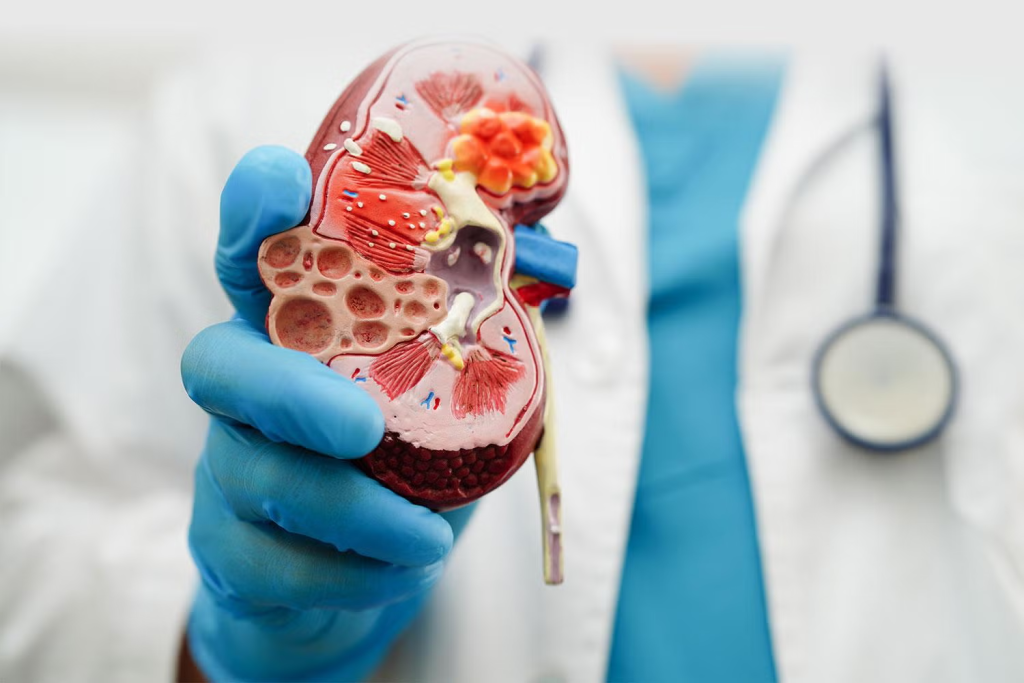
Kidneys are among the most important organs in the human body, yet many people do not pay attention to their health until serious problems develop. These bean-shaped organs work around the clock to filter waste, balance fluids, regulate blood pressure, and produce hormones that support healthy bones and red blood cell production. Unfortunately, kidney disease often develops silently, making it difficult to notice in its early stages. Recognizing Kidney Disease Symptoms as early as possible can prevent severe complications and improve treatment outcomes. Adults of every age should understand the warning signs, risk factors, and lifestyle habits that protect kidney health. This guide explains everything you need to know about kidney disease, its symptoms, causes, diagnosis, treatment, and prevention so you can make informed decisions about your health.
What Is Kidney Disease?
Kidney disease refers to any condition that affects the kidneys’ ability to perform their normal functions. It may develop suddenly as acute kidney injury or gradually over many years as chronic kidney disease. Chronic kidney disease is especially concerning because damage often becomes permanent if left untreated. As kidney function declines, waste products and excess fluids begin to accumulate in the body, causing a wide range of health problems.
Many people overlook early Kidney Disease Symptoms because they resemble common health issues such as tiredness or swelling after a long day. Diabetes, high blood pressure, obesity, smoking, family history, and aging significantly increase the risk of kidney disease. Since the kidneys support nearly every system in the body, maintaining their health should be a priority for every adult.
Why Early Detection Matters
Early diagnosis greatly increases the chances of slowing or preventing kidney damage. The kidneys have an impressive ability to compensate for minor damage, meaning symptoms may not appear until a significant amount of kidney function has already been lost. This is why regular health checkups become increasingly important as people age.
Ignoring Kidney Disease Symptoms may lead to complications such as high blood pressure, anemia, heart disease, weakened bones, electrolyte imbalances, and eventually kidney failure requiring dialysis or transplantation. Routine blood tests, urine analysis, and blood pressure monitoring can identify kidney problems before serious complications occur. Early intervention through medication, dietary improvements, and lifestyle changes often helps preserve kidney function for many years.
Common Kidney Disease Symptoms Every Adult Should Know
The warning signs of kidney disease vary depending on the stage and underlying cause. Some individuals experience only mild symptoms, while others notice several changes at once.
Common symptoms include:
- Persistent fatigue and weakness
- Swelling in the feet, ankles, hands, or face
- Frequent urination, especially at night
- Foamy or bubbly urine
- Blood in the urine
- Difficulty concentrating
- Dry and itchy skin
- Muscle cramps
- Nausea or vomiting
- Loss of appetite
- Shortness of breath
- High blood pressure
These Kidney Disease Symptoms should never be ignored, especially if they persist for several weeks. Early medical evaluation can help identify the cause and begin appropriate treatment before permanent kidney damage develops.
Major Causes and Risk Factors
Kidney disease develops due to many different medical conditions and lifestyle factors. Diabetes remains the leading cause because elevated blood sugar gradually damages the tiny blood vessels inside the kidneys. High blood pressure is another major contributor, placing excessive stress on the kidney’s filtering system over time.
Additional risk factors include obesity, smoking, excessive alcohol consumption, frequent use of certain pain medications, autoimmune diseases, kidney infections, urinary tract blockages, inherited kidney disorders, and cardiovascular disease. Age also plays an important role since kidney function naturally declines over time. Understanding these risk factors helps adults recognize their personal level of risk and motivates them to adopt healthier habits before Kidney Disease Symptoms develop.
How Kidney Disease Is Diagnosed
Doctors use several tests to determine whether kidney function has declined. Diagnosis usually begins with a review of symptoms, medical history, medications, and family history. A physical examination is followed by laboratory investigations that measure kidney performance.
Common diagnostic tests include:
| Test | Purpose |
|---|---|
| Blood Creatinine Test | Measures waste products in the blood |
| eGFR Test | Estimates kidney filtration rate |
| Urine Test | Detects protein, blood, or infection |
| Blood Pressure Check | Identifies hypertension |
| Kidney Ultrasound | Examines kidney size and structure |
| CT or MRI Scan | Detects structural abnormalities if needed |
Early diagnosis allows healthcare providers to recommend treatment plans that may significantly slow disease progression and reduce long-term complications.
Treatment Options for Kidney Disease
Treatment depends on the underlying cause and severity of kidney damage. The primary goal is to preserve remaining kidney function while controlling associated medical conditions. Patients with diabetes should maintain healthy blood sugar levels, while those with hypertension require careful blood pressure management.
Doctors may prescribe medications that lower blood pressure, reduce protein loss in urine, manage cholesterol, treat anemia, or correct mineral imbalances. Nutritional counseling is often recommended to reduce sodium, phosphorus, and excessive protein intake when appropriate. In advanced stages, dialysis helps remove waste products when the kidneys can no longer function effectively. Kidney transplantation may become the best long-term option for eligible patients with end-stage kidney disease.
Lifestyle Changes That Protect Kidney Health
Healthy daily habits play a major role in preventing kidney disease and slowing its progression. Even individuals without existing kidney problems benefit from maintaining kidney-friendly routines throughout adulthood.
Helpful lifestyle habits include:
- Drink enough water throughout the day.
- Maintain a healthy body weight.
- Exercise regularly.
- Control blood sugar levels.
- Monitor blood pressure.
- Limit salt intake.
- Eat fresh fruits and vegetables.
- Reduce processed food consumption.
- Avoid smoking.
- Limit alcohol intake.
- Take medications only as directed.
- Schedule routine medical checkups.
Adopting these habits may significantly reduce the likelihood of developing Kidney Disease Symptoms while supporting overall cardiovascular and metabolic health.
When You Should See a Doctor
Many people delay medical care because early symptoms appear mild or temporary. However, persistent swelling, blood in urine, severe fatigue, changes in urination, or consistently high blood pressure should never be ignored. Individuals with diabetes, hypertension, or a family history of kidney disease should undergo routine kidney screening even when they feel healthy.
Prompt evaluation allows doctors to detect kidney disease before irreversible damage occurs. Delaying treatment increases the risk of chronic kidney disease progressing to kidney failure, making lifelong dialysis or transplantation necessary. Paying attention to Kidney Disease Symptoms and seeking professional medical advice at the earliest opportunity can dramatically improve long-term health outcomes.
Can Kidney Disease Be Prevented?
Although not every kidney disease can be prevented, many cases are linked to controllable lifestyle factors. Maintaining healthy blood sugar, controlling blood pressure, eating a balanced diet, staying physically active, and avoiding tobacco significantly reduce the risk. Drinking sufficient water and limiting unnecessary use of over-the-counter pain medications also help protect kidney function.
Regular preventive screenings become increasingly valuable after age forty or earlier for individuals with known risk factors. Preventive healthcare enables doctors to identify small changes in kidney function before symptoms become noticeable. Prevention is always more effective than treating advanced kidney damage.
Conclusion
Healthy kidneys are essential for maintaining energy, balanced body fluids, strong bones, healthy blood pressure, and overall well-being. Unfortunately, kidney disease often develops silently, allowing significant damage to occur before obvious warning signs appear. Understanding Kidney Disease Symptoms empowers adults to recognize potential problems early and seek timely medical attention. Simple lifestyle improvements, regular health screenings, proper management of diabetes and hypertension, and prompt treatment can preserve kidney function and reduce the risk of serious complications. Every adult should prioritize kidney health by adopting healthy daily habits, staying informed, and consulting a healthcare professional whenever unusual symptoms arise. Early awareness and preventive care remain the most effective strategies for protecting your kidneys and maintaining a healthier future.
Leave a Reply