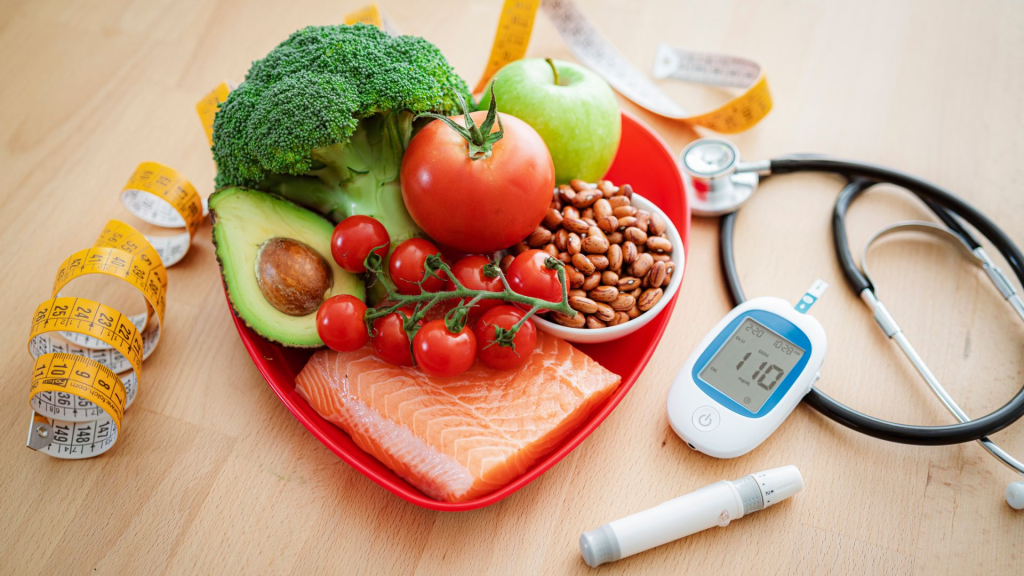
High Blood Pressure is one of the most common health conditions affecting millions of people around the world. Often called the “silent killer,” it usually develops without noticeable symptoms but can significantly increase the risk of heart disease, stroke, kidney damage, and other serious health problems. The good news is that it is often preventable through healthy lifestyle choices. Simple daily habits such as eating nutritious foods, staying physically active, managing stress, maintaining a healthy weight, and avoiding harmful substances can make a remarkable difference. Whether you have a family history of hypertension or simply want to protect your long-term health, making small but consistent lifestyle improvements can reduce your risk. This comprehensive guide explains practical, science-backed strategies to help you prevent High Blood Pressure and enjoy a healthier, more energetic life.
Understanding High Blood Pressure
Blood pressure measures the force of blood pushing against the walls of your arteries. It is recorded using two numbers: systolic pressure, which measures pressure during heartbeats, and diastolic pressure, which measures pressure when the heart rests between beats. Normal blood pressure is generally below 120/80 mmHg.
When blood pressure remains consistently elevated, it puts additional strain on the heart and blood vessels. Over time, this damage can increase the risk of heart attacks, strokes, kidney disease, and vision problems. Several factors contribute to High Blood Pressure, including genetics, aging, obesity, unhealthy eating habits, physical inactivity, smoking, excessive alcohol consumption, and chronic stress.
The encouraging fact is that many of these risk factors are under your control. By understanding what causes elevated blood pressure and taking preventive measures early, you can greatly reduce the likelihood of developing long-term cardiovascular complications.
Why Healthy Lifestyle Changes Matter
Medication is often necessary for people with persistent hypertension, but prevention begins with everyday habits. Healthy lifestyle choices improve blood vessel function, support heart health, reduce inflammation, and help regulate blood pressure naturally.
Unlike temporary solutions, lifestyle improvements create lasting health benefits. They also lower the risk of diabetes, obesity, high cholesterol, and other chronic conditions that frequently occur alongside hypertension.
Some of the most effective preventive strategies include:
- Eating a balanced diet rich in fruits and vegetables
- Exercising regularly
- Reducing sodium intake
- Maintaining a healthy body weight
- Managing daily stress
- Getting quality sleep
- Avoiding tobacco products
- Limiting alcohol consumption
When these habits become part of your routine, preventing High Blood Pressure becomes much more achievable.
Eat a Heart-Healthy Diet
Your daily diet has one of the strongest influences on blood pressure. Foods rich in vitamins, minerals, fiber, and healthy fats help strengthen blood vessels and improve circulation.
Increase your intake of colorful fruits, leafy vegetables, whole grains, beans, nuts, seeds, and lean proteins like fish and skinless poultry. Potassium-rich foods such as bananas, oranges, spinach, sweet potatoes, and avocados help balance sodium levels in the body.
Try to limit processed foods, packaged snacks, sugary beverages, fried meals, and foods high in saturated fats. These products often contain excessive sodium and unhealthy fats that contribute to rising blood pressure.
Preparing meals at home allows better control over ingredients while encouraging healthier eating habits. Reading nutrition labels carefully can also help reduce unnecessary sodium intake.
Maintain a Healthy Weight
Carrying excess body weight increases the workload on your heart and blood vessels. Even a small amount of weight loss can significantly improve blood pressure levels.
Body fat, particularly around the abdomen, is associated with higher cardiovascular risk. Losing just 5–10% of your body weight may improve heart health and reduce your chances of developing High Blood Pressure.
Healthy weight management involves balanced nutrition rather than crash diets. Focus on portion control, regular meals, and avoiding overeating. Combining healthy eating with consistent physical activity provides the most sustainable results.
Monitoring your body weight regularly also helps you stay aware of gradual changes before they become major health concerns.
Stay Physically Active Every Week
Regular physical activity strengthens the heart, allowing it to pump blood more efficiently with less effort. This reduces pressure on artery walls and improves overall cardiovascular health.
Health experts recommend at least 150 minutes of moderate aerobic exercise each week. Suitable activities include:
- Brisk walking
- Cycling
- Swimming
- Jogging
- Dancing
- Light strength training
- Yoga
Exercise also improves mood, supports weight loss, enhances sleep quality, and reduces stress—all of which contribute to preventing High Blood Pressure.
If you’re new to exercise, begin with short sessions and gradually increase intensity. Consistency is far more important than extreme workouts.
Reduce Sodium and Increase Potassium
One of the most effective dietary strategies for preventing hypertension is reducing sodium consumption. Excess salt causes the body to retain water, increasing blood volume and blood pressure.
Many processed foods contain hidden sodium, including canned soups, frozen meals, instant noodles, sauces, processed meats, and fast food.
Instead, season meals with herbs, garlic, lemon juice, pepper, or natural spices.
At the same time, potassium supports healthy blood pressure by helping the body eliminate excess sodium. Excellent potassium-rich foods include:
- Bananas
- Tomatoes
- Potatoes
- Beans
- Yogurt
- Spinach
- Citrus fruits
Balancing sodium and potassium intake supports healthier circulation and protects heart function.
Lifestyle Habits That Help Prevent High Blood Pressure
| Healthy Habit | Main Benefit |
|---|---|
| Eat fruits and vegetables | Supports heart health |
| Reduce salt intake | Lowers fluid retention |
| Exercise regularly | Improves circulation |
| Maintain healthy weight | Reduces heart strain |
| Sleep 7–9 hours | Regulates blood pressure |
| Manage stress | Lowers stress hormones |
| Avoid smoking | Protects blood vessels |
| Limit alcohol | Prevents blood pressure spikes |
Manage Stress Effectively
Stress is a normal part of life, but chronic stress may contribute to elevated blood pressure over time. Stress hormones temporarily increase heart rate and constrict blood vessels. Repeated exposure can negatively affect cardiovascular health.
Healthy stress-management techniques include deep breathing exercises, meditation, yoga, reading, gardening, listening to music, spending time outdoors, or practicing mindfulness.
Maintaining meaningful social relationships also helps reduce emotional stress. Talking openly with trusted friends or family members can improve emotional well-being.
Creating a healthy work-life balance and setting realistic expectations may further reduce daily stress levels and improve overall quality of life.
Prioritize Good Sleep
Sleep plays a critical role in maintaining healthy blood pressure. During sleep, the body repairs tissues, regulates hormones, and allows the cardiovascular system to recover.
Adults should aim for seven to nine hours of quality sleep each night.
Improve sleep by:
- Following a regular bedtime schedule
- Limiting screen time before bed
- Keeping the bedroom cool and quiet
- Avoiding caffeine late in the day
- Exercising regularly
Poor sleep or untreated sleep disorders such as sleep apnea may increase the risk of High Blood Pressure, making healthy sleep habits an essential part of prevention.
Avoid Smoking and Limit Alcohol
Smoking damages artery walls almost immediately after each cigarette. It narrows blood vessels, increases heart rate, and accelerates plaque buildup inside arteries.
Quitting smoking provides immediate and long-term cardiovascular benefits regardless of age.
Alcohol should also be consumed in moderation. Excessive drinking raises blood pressure and contributes to weight gain, liver disease, and heart complications.
Replacing smoking and heavy drinking with healthier coping strategies significantly lowers cardiovascular risk while improving overall wellness.
Monitor Your Blood Pressure Regularly
Routine blood pressure monitoring helps detect problems before complications develop. Many people live with hypertension for years without realizing it because symptoms often do not appear until damage has occurred.
Checking blood pressure at regular health visits or using a reliable home monitor allows early identification of rising numbers.
Keep a record of your readings and discuss unusual results with your healthcare provider. Early monitoring encourages timely lifestyle adjustments and, when necessary, appropriate medical treatment.
Regular health checkups also allow doctors to identify related risk factors such as high cholesterol, diabetes, and kidney disease.
Conclusion
Preventing High Blood Pressure is largely within your control through consistent healthy lifestyle choices. Eating a balanced diet, exercising regularly, maintaining a healthy weight, reducing sodium, increasing potassium, managing stress, getting enough sleep, avoiding tobacco, limiting alcohol, and monitoring blood pressure all work together to support long-term heart health.
Leave a Reply